Amorphous materials have a disordered molecular structure with no repeating pattern. This lack of order at the molecular level often gives the material its main advantages when processed with AM: ease of processing, smooth surface finish and transparency.
The thing is most amorphous polymers are processed through FDM 3D printing.
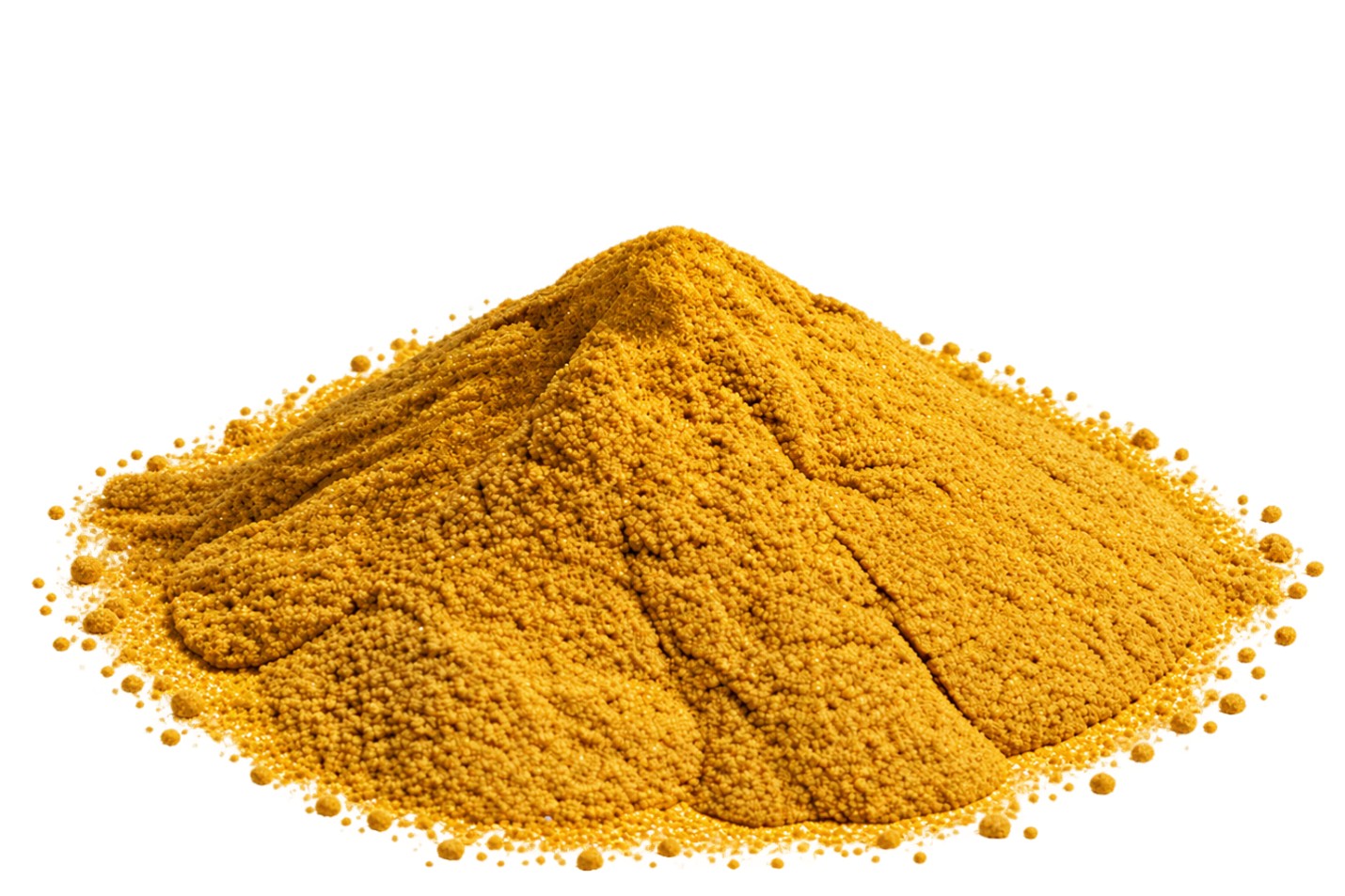
BlueSky Polymers, Insight Polymers and Advanced Laser Materials (ALM) have developed an amorphous, reactive polyetherimide (xPEI) engineered specifically for selective laser sintering (SLS).
ALM brings to this development its expertise in powder modification, scaling powder production and optimizing the various process conditions for successful SLS printing.
In SLS production, the xPEI polymer maintains the isotropic properties typical of a PEI polymer in high-value, high-temperature production applications. SLS-printed xPEI parts offer the highest heat resistance, chemical resistance and tensile strength of any SLS thermoplastic. Until now, PEI had not been suitable for SLS printing of amorphous high-temperature parts due to high melt viscosity and limited interlayer diffusion, the companies explain.
“Our chemistry will allow users to design parts using high-performance polymers that can be printed on existing SLS and FDM (Fused Deposition Modeling) systems, which until now has not been possible,” said Theo Dingemans, chief technology officer of BlueSky Polymers and professor at UNC Chapel Hill.
Chemistry that enables production on existing SLS and FDM systems.
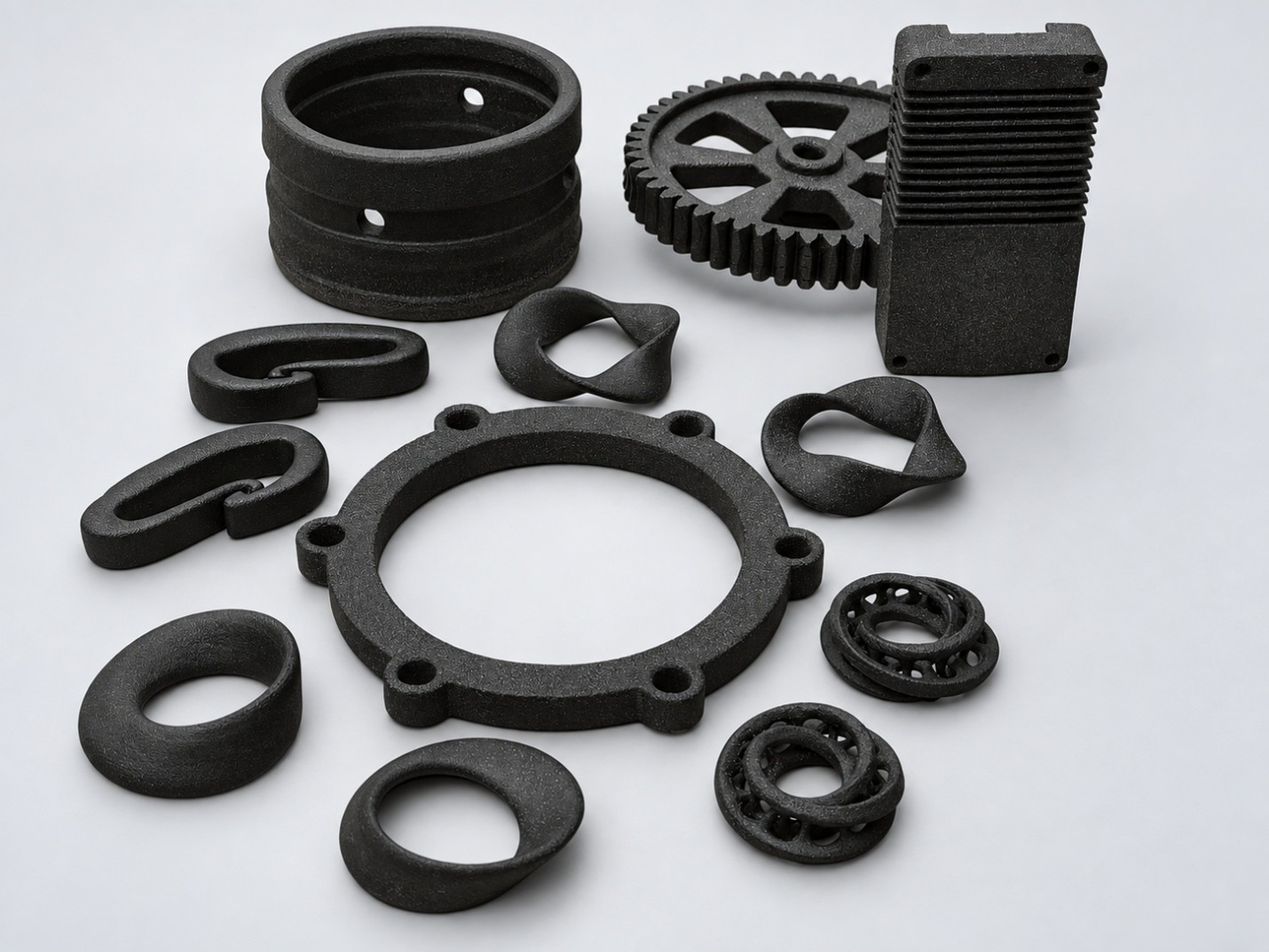
Based on the Sabic Ultem™ backbone, xPEI is available as a reusable powder for SLS and as filament for FDM. xPEI offers low flammability, excellent fluid stability, a low carbon footprint and infinite shelf life.
The SLS and FDM printing is followed by a controlled thermal cure, which increases the glass transition temperature, yields consistent mechanical performance and reduces part variability.
“The xPEI polymer is targeted for parts that need strength, stiffness and impact resistance of a PEI polymer but are too difficult to produce by injection molding or subtractive manufacturing,” said Matt Torosian, Insight Polymers sales and market development manager.
Torosian (ex-JABIL) highlighted potential applications across a wide range of industries: air handling and ducting in aviation; exterior skin components for drones and missiles; fluid handling and cooling systems in data centers; and test sockets and other high-temperature applications in semiconductors.
In addition, he spotlighted, “surgical tools and medical devices that require sterilization and medical devices with strength and stiffness of a PEI polymer” that are too hard to produce. Further, the xPEI polymer “allows for the production of parts with isotropic properties, with excellent consistency to fit into those applications,” said Torosian.
Insight Polymers & Compounding, an expert in advanced polymer compounds, is now producing xPEI in multi-kg quantities.
According to Jeremy Lizotte, Insight Polymers director of innovation, “You can be a little more creative and design significantly more complex parts, given the nature of SLS compared to injection molding (IM) and subtractive manufacturing. xPEI SLS-printed parts allow you to get similar part anisotropy comparable to IM and at lower material usage compared to substrative manufacturing, since SLS printing does not have the machining waste.”
*We curate insights that matter to help you grow in your AM journey. Receive them once a week, straight to your inbox. Subscribe to our weekly newsletter.