When we map additive manufacturing in the energy industry, the same handful of names tends to surface on our radar: Shell, Equinor, Kongsberg Ferrotech, SINTEF, Gassco, and Vår Energi. Set Shell aside, a common thread among the other names is Norway, which underscores the region’s strength in the industrialization of AM for oil and gas.
Several of these players have even joined forces to standardize the digital supply of 3D-printed spare parts. In this consortium, one finds Vår Energi, an independent pure play upstream oil and gas company. It plays a central role in providing reliable, affordable and sustainable access to energy.
From R&D to the frontline

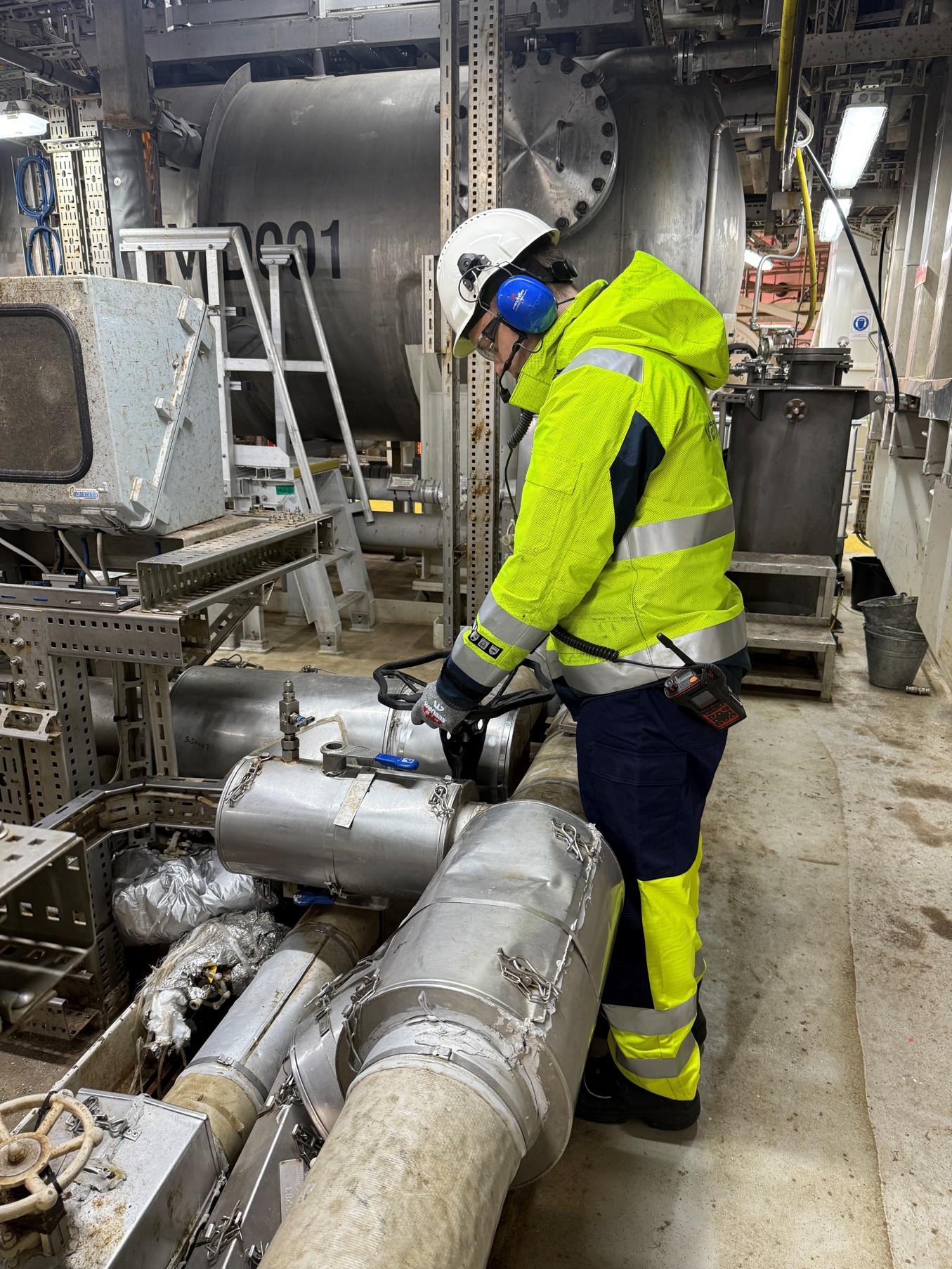
Trine Boyer’s title is “Portfolio On-demand & AM Implementation Lead”. In practice, it means exactly what it says: the full implementation of additive manufacturing across Vår Energi. She has spent years getting here, first at Total Energies, where she began working with AM in 2020, then at Vår Energi, which she joined in 2022.
For three years, she and her colleagues explored AM and digital inventories from inside R&D. Then the company made the decision to change this positioning, moving Boyer this way from research to the frontline.
Vår Energi is, as Boyer puts it, a young company with old roots: created in 2018 from the merger of Eni’s Norwegian upstream business and Point Resources (the latter holding ExxonMobil’s former Norwegian assets) and strengthened further in 2024 through the acquisition of Neptune Energy’s Norwegian portfolio.
From pilot to industrialization
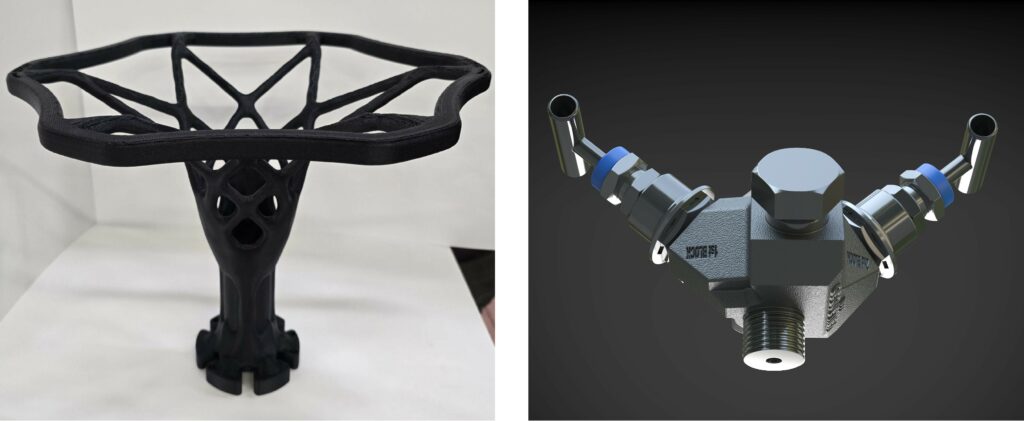
When we hear that a company is “using AM across its activities,” we tend to picture a production environment humming with printers. For energy companies, that picture is wrong and Vår Energi is not an exception.
Like many adopters, Vår Energi’s stated ambition is the industrialization of AM. But the word means different things to different people, and Boyer’s definition is refreshingly un-romantic: “Industrialization is not a printer count or a percentage of printed spares. It is an outcome: the right part, qualified for its use (not over-engineered, not under) at the lowest cost, delivered on time, with the lowest emissions, produced as close to the site as possible.”
The operator is to set the outcome and let the supplier choose the method. If that method is CNC machining, fine. If it is forging, fine. AM is used where it is suitable, and that’s it.
“We have changed,” she says, “from running around asking people to print everything, to telling suppliers: print what is suitable.”
Unlike companies whose philosophy is “if it can be printed, it shall be printed,” the principle of “print what is suitable, so the part arrives at the lowest cost, in the shortest lead time, and the lowest emissions” may look like a small change, but its operational consequences are significant.
What is clear is that Vår Energi will never run its own AM production floor. As an operator, its expertise is producing oil and gas. And yet the company does own printers to advance its learning curve. Those 3D printers are distributed across offices and supported by internal “AM Ambassadors,” colleagues who help run the machines and teach others.
What value and what limitations
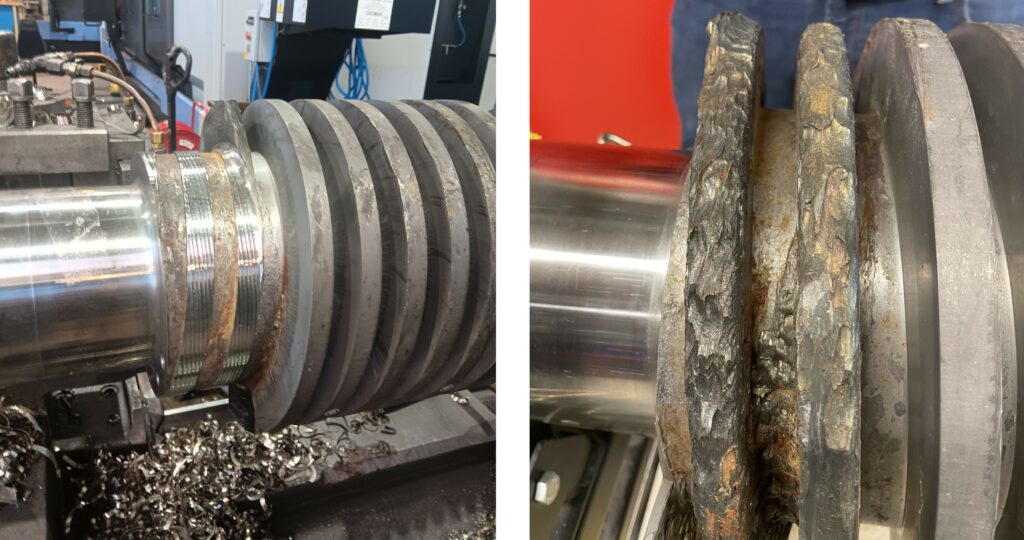
From the outset, Vår Energi’s implementation strategy has been built on close collaboration with suppliers. Since 2022, this has included working with Fieldnode as part of a broader industry effort to standardize digital part files across competing operators.
The logic is shared digital inventory, qualified supply chains, faster lead times, better traceability, themes 3D ADEPT Media has tracked closely across the energy and maritime sectors.
Their competence, trust, flexibility, and ability to adapt to Vår Energi’s everyday reality helps advance the AM agenda within the organization.
The challenge in this journey remains the suppliers. If every supplier arrived with a clear list (of parts, lead times, and production methods), the rest would follow, she believes. Some suppliers are highly mature; others are not. Changing that mindset is the real work.
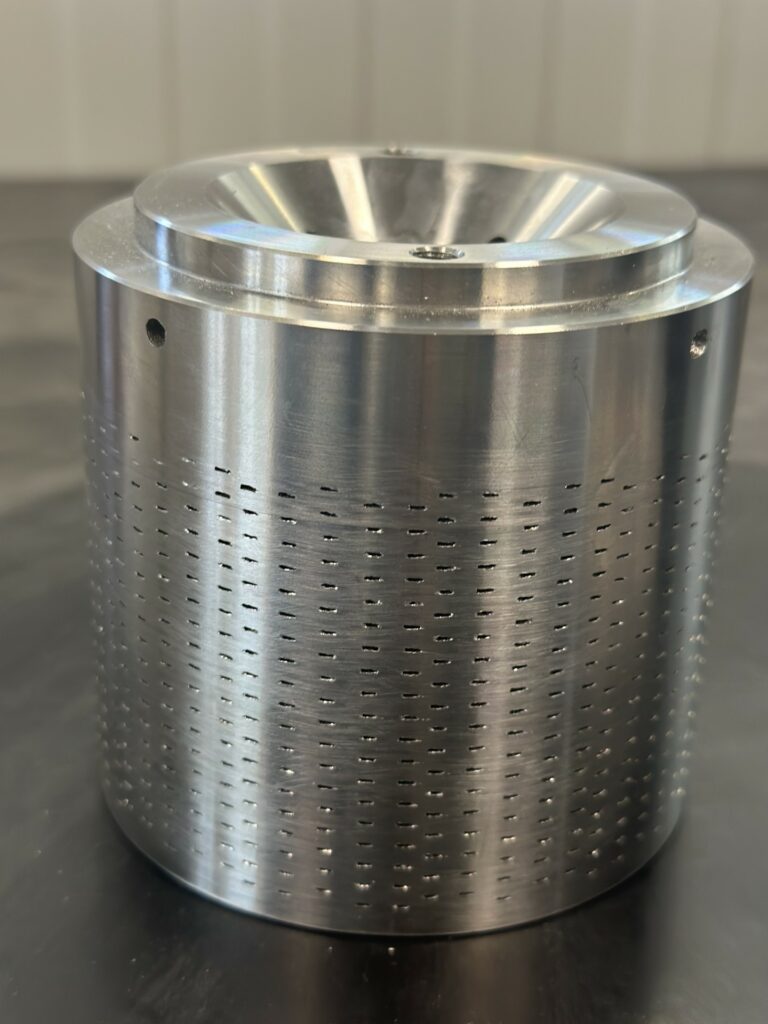
She compares this transformation to the arrival of Netflix, Amazon or Spotify: end-user-driven change, landing in an industry that is, by her own description, deeply traditional for good reasons, because what has worked has also kept people safe.
The encouraging part is that the trust gap in the parts themselves is closing. The documentation now shows that the properties of a printed part hold up. NASA uses AM. Aviation uses it. The automotive industry uses it. Oil and gas, she argues, can trust it too.
When asked what single thing she would change about how the AM industry serves operators like Vår Energi, her answer is simple: that suppliers just deliver, always on time, lowest emission, on site.
She will go deeper during the technology talk organized by Formnext and discuss how to implement AM in the oil and gas industry from the operator’s standpoint. If you want to understand where industrial AM in energy is actually heading, that is a conversation worth showing up for.
*All images: Courtesy of Vår Energi AS