Steel bridges, support structures and industrial frameworks are built to last decades, but fatigue cracks eventually catch up with them. Replacing a permanently installed component is often impractical, so researchers at Swiss research institute Empa are testing a different route: repairing the steel in place using metal 3D printing.
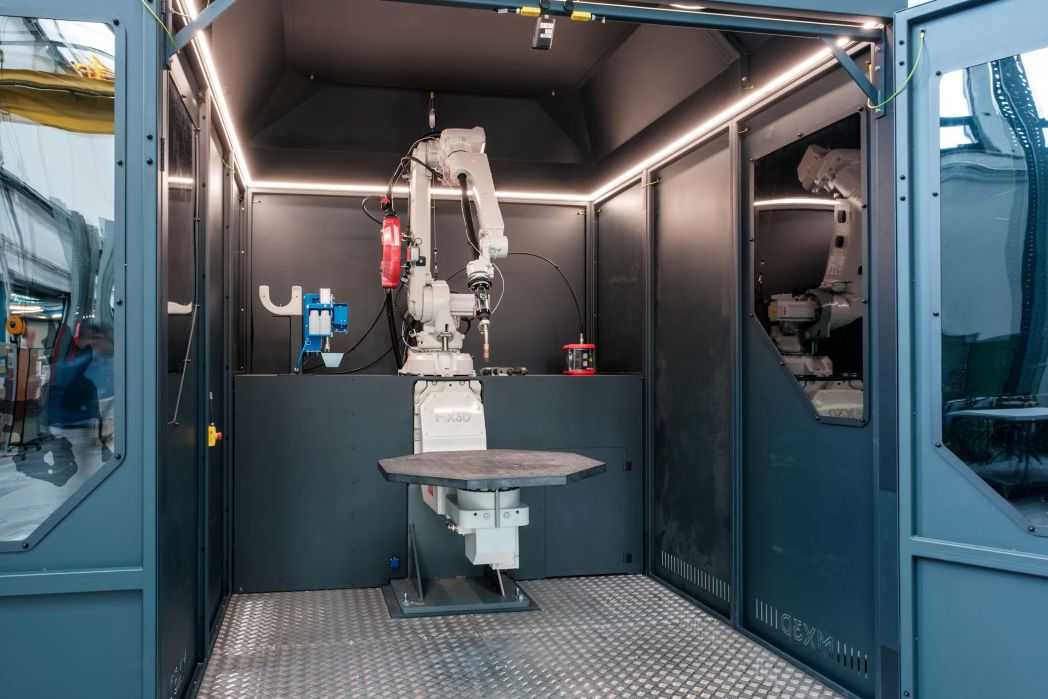
The approach relies on Wire Arc Additive Manufacturing (WAAM), a process whose complexities have been explained several times across these pages. As a reminder, in WAAM, a robotic arm feeds welding wire through an electric arc, depositing metal layer by layer directly onto the damaged area rather than joining two separate parts, as conventional welding does.
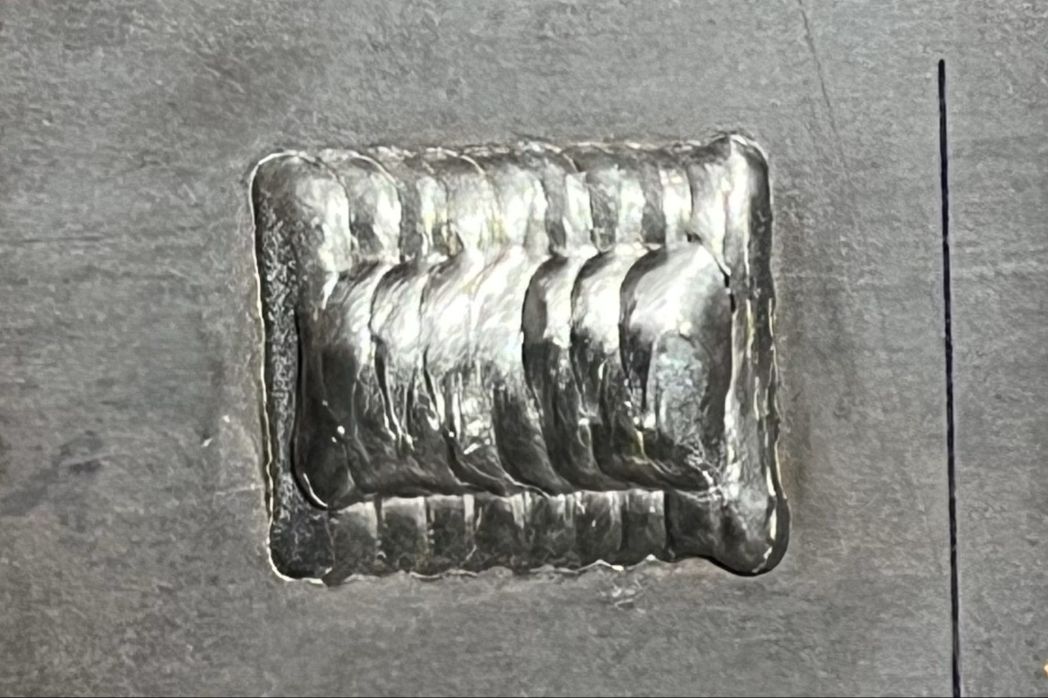
In this specific work, Empa focuses on the shape of the repair rather than the quantity of metal added. “The key isn’t to apply as much material as possible,” explains Hossein Heydarinouri of Empa’s Structural Engineering laboratory. “The shape is much more important: An optimized geometry distributes stresses in such a way that the propagation of existing cracks is stopped or significantly slowed down.”
In a master’s thesis project run jointly with ETH Zurich, researchers extended the service life of damaged steel plates by up to four times using this method, with two layer, stepped reinforcement geometries proving the most effective in repeated load testing.
The study is equally clear about the risks of getting the geometry wrong: poorly designed reinforcements can create new stress concentrations at the interface between the original steel and the printed metal, a reminder that WAAM repair is a precision engineering exercise, not a simple patch job.
Beyond crack repair, the Empa team is also exploring intelligent structural design: metal elements engineered to yield and absorb energy under extreme loads, then recover their original shape, with potential use as damping components for earthquakes or vibration in bridges and buildings. Materials scientist Maryam Mohri is investigating shape memory alloys to push that adaptive capability further.
When it comes to deployment, researchers share that industrial WAAM robots are difficult to move on site. Moreover, damaged components would typically need to be taken to a workshop for repair, which is not always realistic for permanently installed structures.
Empa’s research positions WAAM as a maintenance tool for ageing infrastructure, an application area that has received far less attention than production use cases such as those seen at BMW’s Additive Manufacturing Campus.
*We curate insights that matter to help you grow in your AM journey. Receive them once a week, straight to your inbox. Subscribe to our weekly newsletter