

Review written at the end of 2021 and published in the November/December 2021 issue of 3D ADEPT Mag. The outlook for 2022 and company situations reflect that period.
Business – Manufacturing – Vertical Industries
From a personal standpoint, reviewing an ending year always makes people go through the lens of experiences – sad or happy – peaks, and trials in their life. That is the reason why, we never or rarely have a unanimous answer. From a professional standpoint and in science (technology) especially, there is often a set of trends that the majority of professionals agree on.
The pandemic continued to disrupt additive manufacturing in 2021. Developments during the year reinforced some expectations expressed at the end of 2020 while revealing other avenues for growth.
In this column, we have categorized the main trends that marked 2021 into three: Business, Manufacturing and Vertical Industries.
Business: Career Moves, Mergers & Acquisitions, IPOs vs SPACs
In 2021, several additive manufacturing companies changed their leadership or adapted their organisation during the pandemic. Remote working and diversity, equity and inclusion objectives were among the issues raised by those changes.
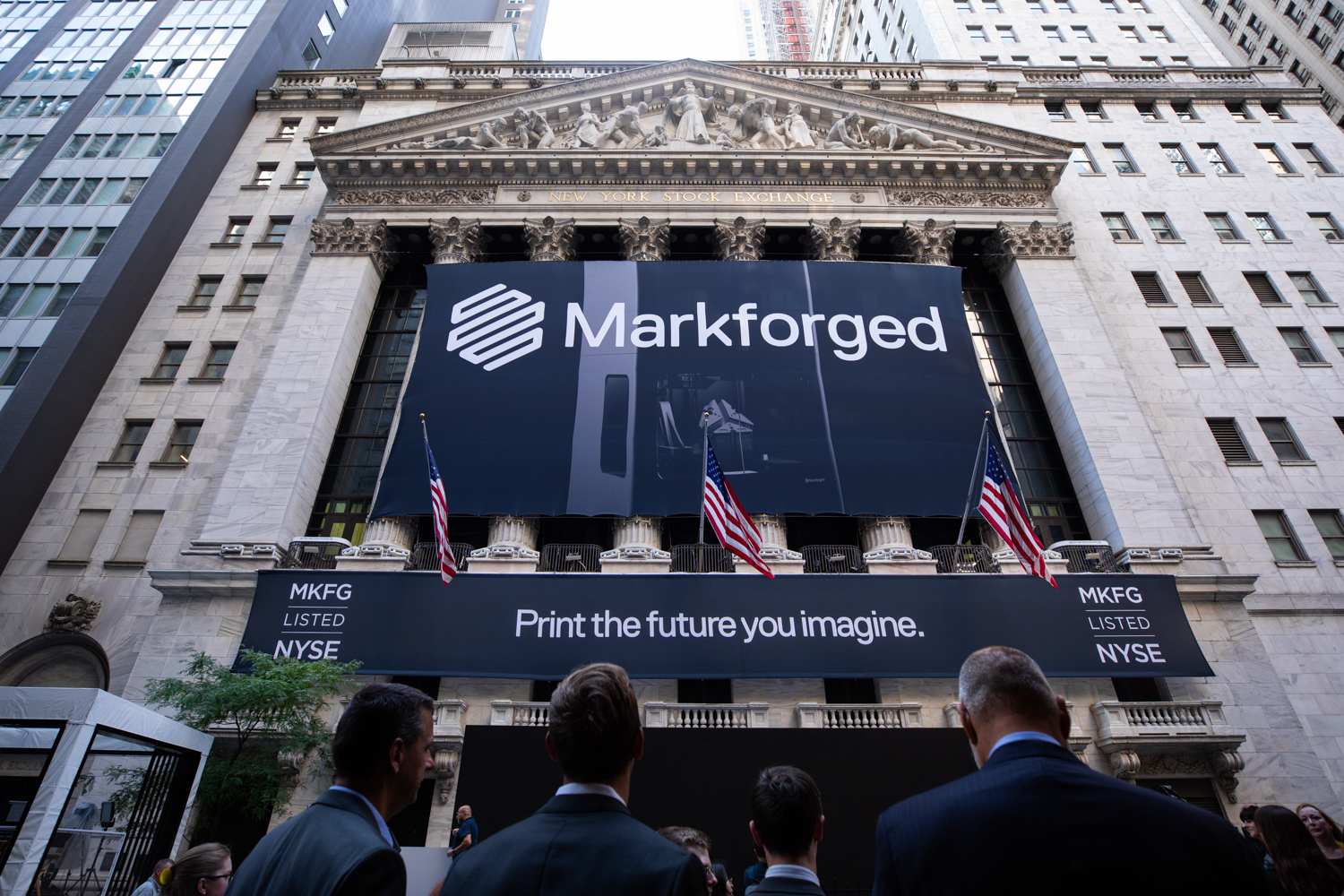
Mergers and acquisitions, already a theme in our 2020 review, continued to shape 2021. The year brought numerous consolidation deals, including combinations with special purpose acquisition companies (SPACs). Counts depend on the scope used and on distinguishing announcements from completed transactions; they do not, on their own, establish an industry record.
These combinations involved machine manufacturers as well as materials and software suppliers. Stratasys, 3D Systems and Desktop Metal were among the participants, pursuing different acquisition or divestment strategies. One notable transaction was Desktop Metal’s completion of its ExOne acquisition on 12 November 2021, bringing together two binder-jetting businesses. This observation describes the situation in 2021.

Public listings also marked the year, through either a conventional initial public offering (IPO) or a merger with a SPAC.
Both routes provide access to public capital markets, with different mechanisms, disclosure requirements and risks.
The interest in SPACs during 2021 did not guarantee a company’s industrial success or the performance of its shares.
We have dedicated an exclusive feature to this process, its advantages, disadvantages and the call to remain cautious.
Manufacturing
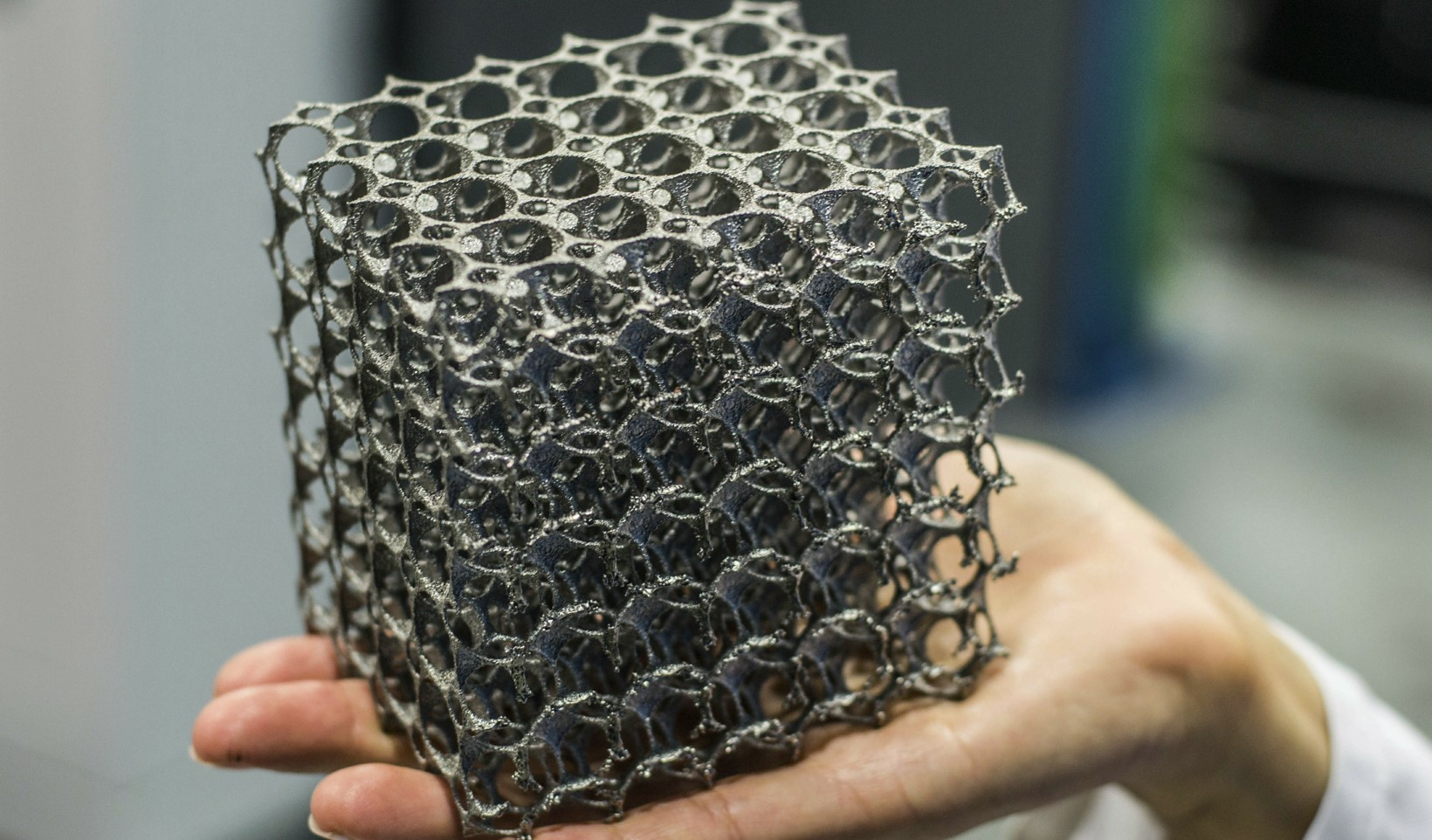
In 2021, metal additive manufacturing faced difficulties in some of its markets, including aerospace, which was affected by the pandemic.
As a matter of fact, since December 2020, there has been a wide open debate about how this long-standing revenue-generating industry will completely get back on track when looking at aircraft manufacturing, the supply chain and aftermarket support businesses.
Recovery varied by application and company. It does not establish a general ranking of processes here, whether measured by systems sold, their value or parts produced.
However, we should recognize the steadiness of polymer AM and the ability of players in this field to make strides where we do not expect.
Polymer selective laser sintering (SLS) was represented by 3D Systems, Sintratec, Sinterit and other suppliers. Among the developments followed in 2021, Sweden-based Wematter announced funding, improvements to its offering and expansion into new markets.
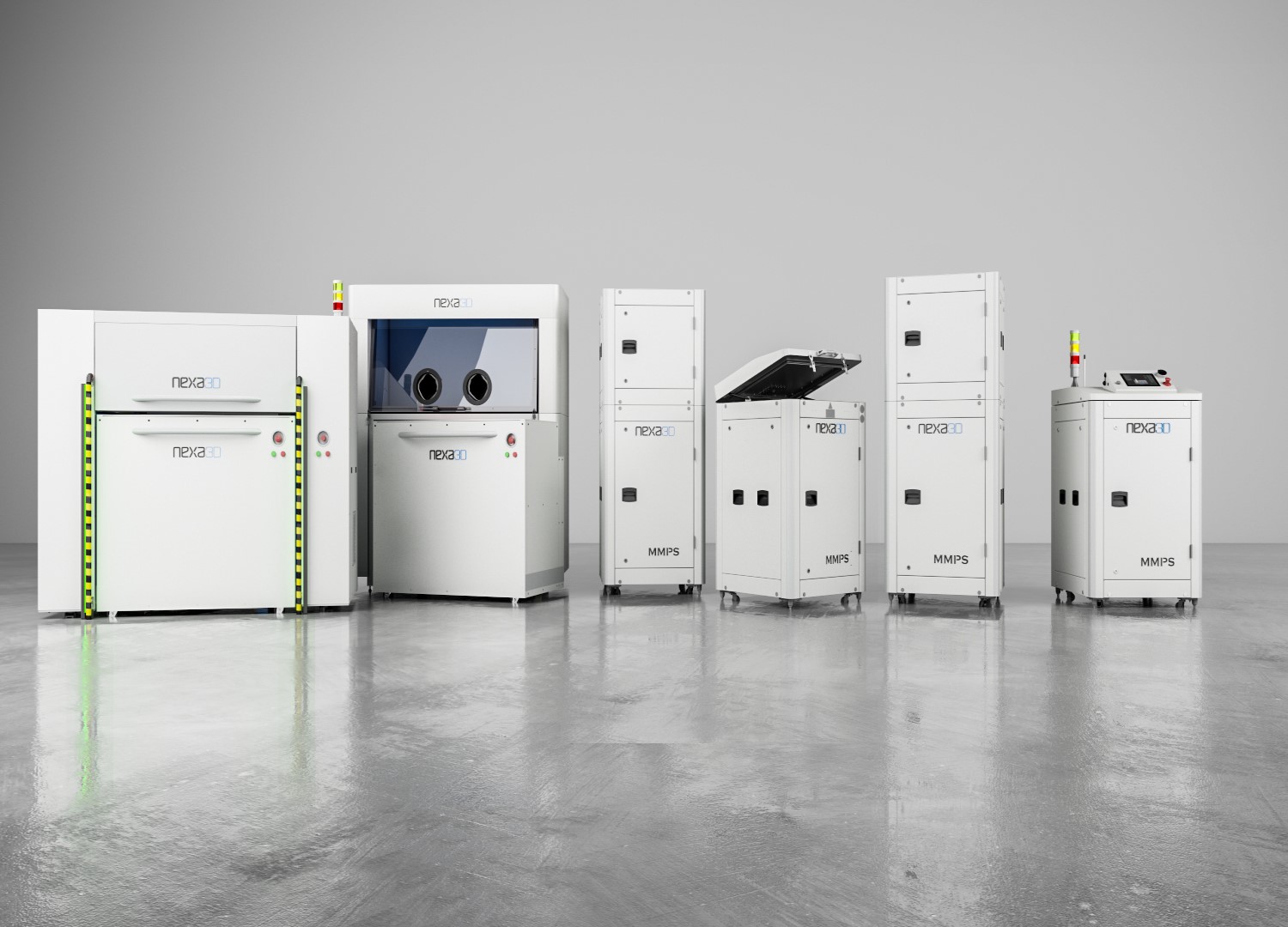
Nexa3D was also developing its LSPc photopolymerisation offering and QLS 350 selective laser sintering system. For the latter, the manufacturer reported eight litres per hour at 20% build packing density. That claimed performance under the stated conditions does not represent complete throughput after cooling and post-processing.
In photopolymerisation, Carbon’s sports applications were among the examples followed by the editorial team. At the end of 2021, Azul 3D, Axtra3D, dp polar and Cubicure were also companies whose developments for end-use production we intended to follow.
Wire-arc additive manufacturing (WAAM) also attracted our attention. Derived from arc-welding deposition processes, it does not encompass every form of additive manufacturing using metal wire. Applications presented in 2021 in heavy industry, energy and maritime sectors illustrate its potential for certain large parts. Qualification, supply, machining and other finishing operations remain part of evaluating each application.
Filament extrusion also saw the development of solutions for manufacturing metal parts.
Metal-powder-filled filaments, offered by suppliers including Forward AM, the BASF brand cited at the time, and The Virtual Foundry, broadened the possibilities of FFF. Producing a dense metal part nevertheless requires an appropriate process route, including debinding and sintering according to the material; changing the filament alone is insufficient. At the end of 2021, the editorial team saw this as a trend to follow in 2022.
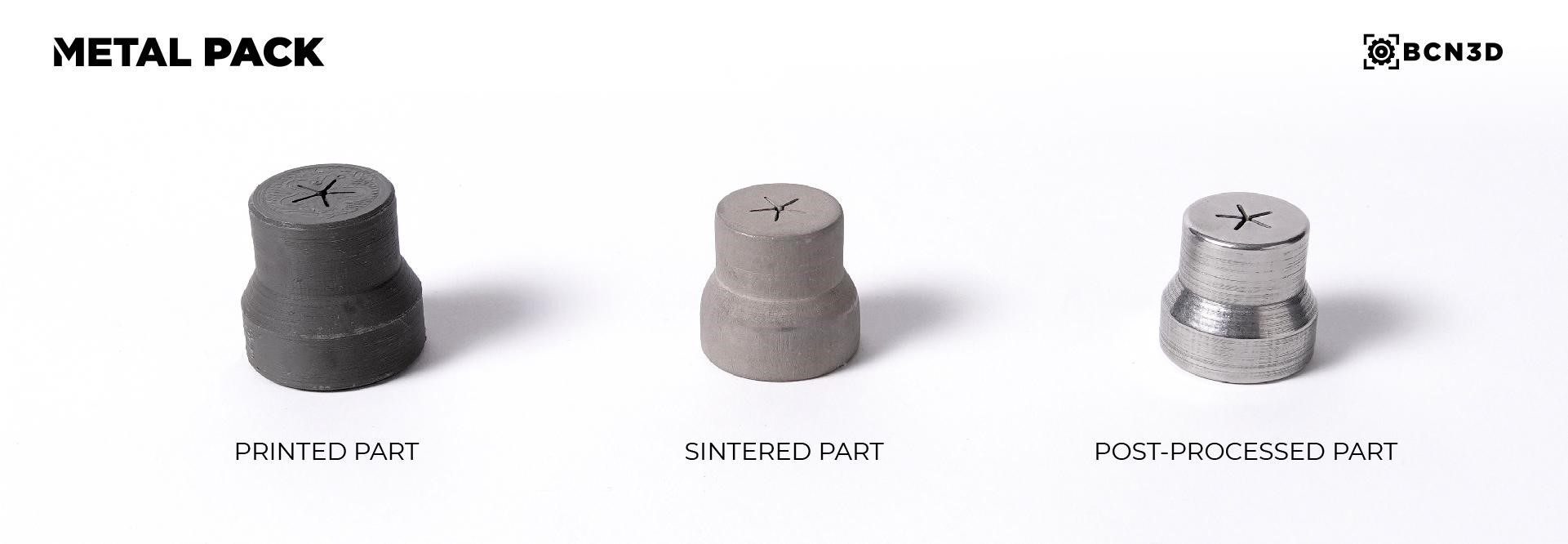
Other companies debuted in metal FFF printing this year: 3D printer manufacturer BCN3D that announced a “Metal Pack” that can be attached to their Epsilon line of printers to enable extrusion of BASF’s Ultrafuse metal filament and 3DGence that launched their ELEMENT line of BME printers, alongside their own metal filaments.
More broadly, material developments addressed specific application needs. Their value depended on process compatibility, achieved properties and qualification requirements.
On the software side, integrating additive manufacturing operations was another development area. Stratasys’s GrabCAD, Oqton, Authentise and Additive Flow were among the offerings followed in 2021. A platform open to data exchange is not necessarily open-source software; interoperability needs to be assessed for the machines and tools involved.
Vertical Industries
As we close the manufacturing segment to focus on verticals that stood out in 2021, it is hard not to highlight the growing importance of sustainability in all aspects of manufacturing. The truth is, sustainability on its own constitutes an entire “category” or “segment” of this industry since it can be tackled on multiple fronts.
We had devoted an issue of 3D ADEPT Mag to sustainability. In September 2021, the Additive Manufacturer Green Trade Association (AMGTA), then led by Sherry Handel, announced a $100,000 gift to Yale for environmental research into additive manufacturing. It also commissioned a life-cycle assessment from Rochester Institute of Technology on an aerospace component. These were research announcements, not findings establishing a general environmental superiority of AM.
Quantification therefore remained essential: material and energy consumption, processing, transport, use and end of life need to be compared within consistent boundaries. This was one of the questions we intended to keep following in 2022.
Beyond automotive and healthcare, food 3D printing and construction particularly caught our attention in 2021. This editorial selection is not a numerical ranking of sector growth.
Automotive developments included announcements about 3D printed battery cells and copper windings for electric drive systems.
3D printed construction projects were being presented in the United States, Germany and the United Arab Emirates. They demonstrated growing activity without, on their own, measuring the size of the global market or confirming forecasts published at the time.
Construction companies and technology suppliers were seeking, among other goals, to contribute to housing production. Printing nevertheless concerns part of a building: foundations, services, equipment, finishes and regulatory compliance still need to be included in lead times and costs.

As for food 3D printing, the segment is undertaking a real change as there is a growing use of 3D printing for applications that go beyond the aesthetic purpose. In 2021, this vertical saw the development of alternative meat 3D printed products – some of them already available in select restaurants -, vitamins, and 3D printed fish.
To put the market in context without confusing it with 3D printing, Good Food Institute data published in April 2021 cover US retail sales in 2020: plant-based meat accounted for $1.4 billion, up 45% on 2019. The $7 billion total and 27% growth concerned all plant-based foods in that study, not plant-based meat alone or 3D printed foods. Companies followed by the editorial team included Redefine Meat, MeaTech, byFlow and SavorEat.
And now…?

It can be overwhelming to reflect on a year that is ending, trying to bring out the key highlights and to determine what will shape the coming year. There may have been some developments or sectors of activity that were not mentioned, and this is not necessarily because they have not evolved…In the end, the degree to which these trends have affected the industry varies from one geographical region to another or from one vertical to another…
For the 3D ADEPT Media team, meeting new contacts and familiar faces at Formnext 2021 in Frankfurt, after a long period of virtual events and lockdowns, remained a highlight of the year.
This content has first been published in the 2021 November/December edition of 3D ADEPT Mag.
THE 3D ADEPT WEEKLY NEWSLETTER
The industry moves fast. Stay ahead.
Every week, the latest additive manufacturing news, in-depth features and real-world applications, straight to your inbox. Plus, be the first to know when a new issue of 3D ADEPT Mag is out.
Free · One email a week · Unsubscribe anytime
Clicking loads our email provider’s sign-up form, including its analytics and Google’s anti-bot protection. You’re only subscribed if you complete the sign-up. Read our privacy policy.