In the aerospace industry a single failure could result in a great number of fatalities, and it is therefore paramount to ensure the integrity of additively manufactured parts if they are to be used in aerospace products.
The current methodologies employed to verify the integrity of 3D-printed parts are quite expensive and either demand the destruction of the part to assess its internal structure or experience challenges with detecting internal defects in objects of complex geometries.
In an effort to address these challenges and to find a quicker and more reliable way to detect internal defects in 3D-printed objects, a team of researchers comprising students and faculty from California State University, Chico, has embarked on the development of a non-destructive testing method that relies on computational vibrational analyses.
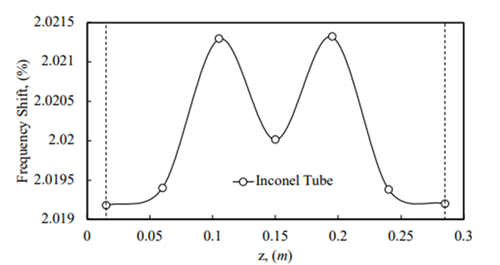
This method examines changes in natural frequencies caused by the loss of stiffness induced by voids, gas-entrapped pores, and other defects within 3D-printed objects. During this research effort, voids were intentionally placed at different locations within a tube or a beam, and their impact on the natural frequencies of those objects was recorded.
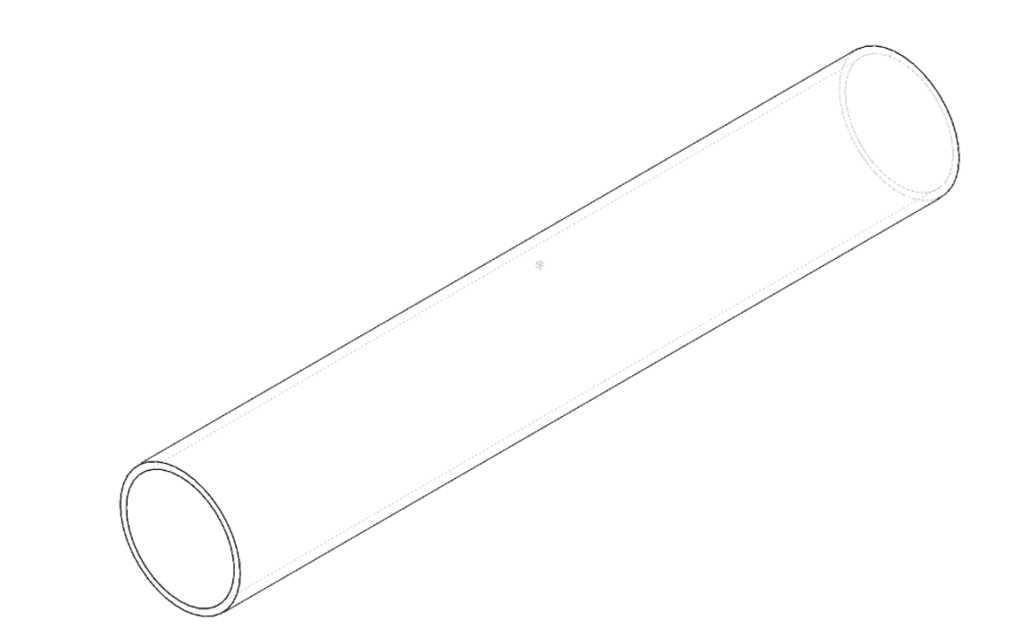
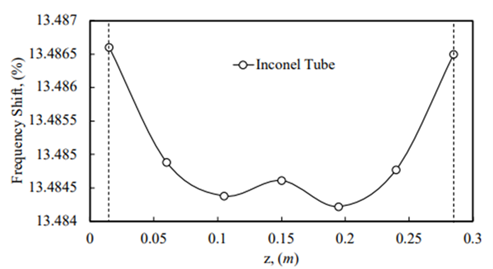
This method was found to be more effective for hollow tubular objects, which is a shape quite common in the aerospace industry. The end goal of this research is to create a database of defect locations and shifts in natural frequencies. This database will be utilized in the future to predict the location and size of a defect based on observed natural frequency shifts.
Have a look at the full research here and read more about a similar research here.
This article has been written by David Nguiffo, mechanical engineer, California State University, Chico.
The work was a collaboration effort between John Elliot, Samaher Shaheen, Forest Siewert, Elizabeth Rodriguez, Dennis O’Connor, Yang Chao, and myself, David Nguiffo. Featured image: 3D ADEPT