Two announcements this week offer a telling snapshot of where large format additive manufacturing (LFAM) is heading, and the direction is clear: closer to the customer, deeper into industrial supply chains, and further across geographic markets.
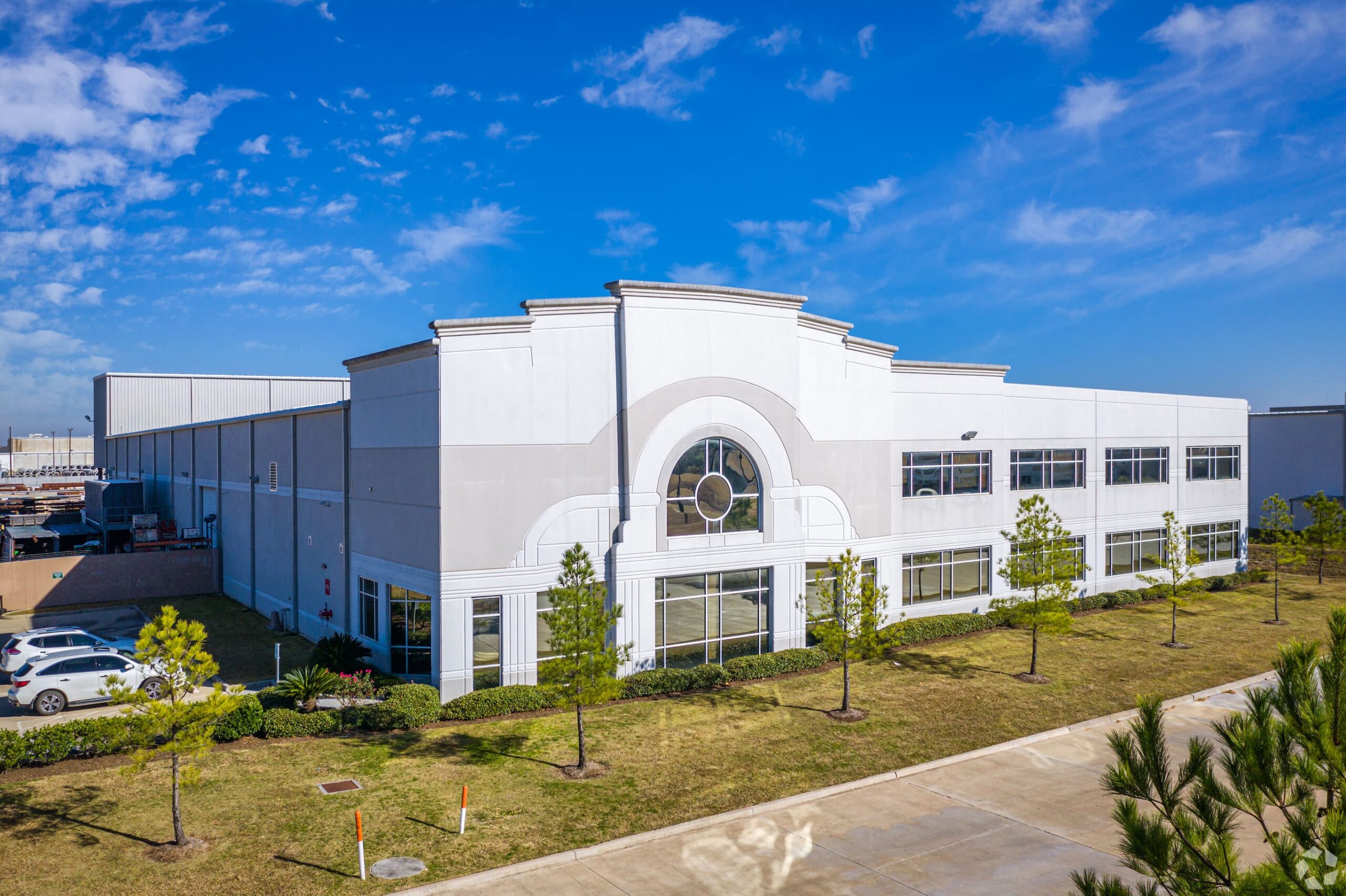
DEEP Manufacturing, a UK-based specialist in Wire Arc Additive Manufacturing (WAAM), has opened a new 50,000 sq ft facility in Houston, Texas, one of the world’s most concentrated hubs for energy, subsea, and maritime engineering.
The move is part of a broader $10 million investment in U.S. advanced manufacturing capacity, with four WAAM robotic systems operational at launch, and a plan to scale the team from 10 to around 30 staff by year’s end.
Already producing components in carbon steel and nickel-based alloys, the facility is on track for its official launch on May 6, where a DNV-certified pressure vessel, described as a world first for WAAM, will be among the pieces on display. The development timeline itself speaks to the momentum: what was originally planned for 2027 was pulled forward by a full year.
On the other side of the Atlantic, Exeter-based Rapid Fusion is targeting a €1 million opportunity in Italy through an exclusive partnership with Aivox, one of Italy’s leading innovation consultancies and part of the LITIX Group.
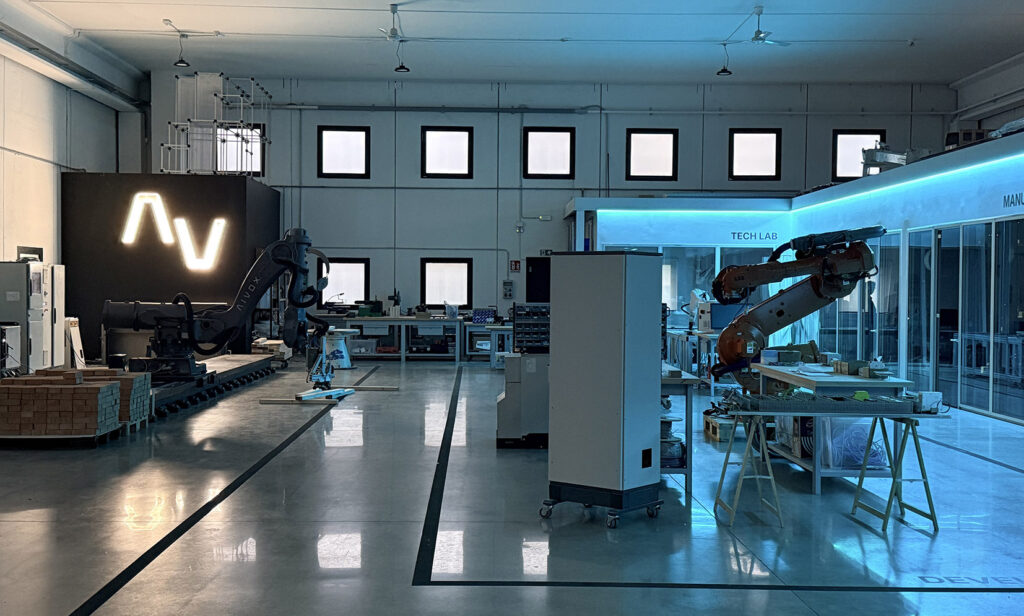
The agreement will see Rapid Fusion’s full system portfolio — including the Zeus, Apollo, Medusa, and Cerberus platforms — introduced to Italian industrial clients across building architecture, fashion, medtech, and the naval sector.
The Zeus robotic system is already in transit to Aivox’s development lab in Monza, where it will be installed on rails for live demonstrations and customer trials. Francesco Perego and Matteo Lomaglio, Aivox’s co-CEOs, describe a market where 3D printing is increasingly used as a production asset.
What connects these two stories is more than timing. Both reflect a maturing technology sector moving from proof-of-concept to industrial deployment, and doing so through deliberate geographic expansion, not organic pull.
DEEP Manufacturing went where its customers in energy and defence already are. Rapid Fusion is going where it sees a market on the verge of adoption, backed by a partner with the technical credibility to accelerate it.
The LFAM market is still in the process of earning widespread industrial trust. And the pattern emerging is seen through experienced specialists planting operational flags in high-demand regions, bringing hardware, certifications, and application expertise with them.
As Aivox’s Matteo Lomaglio noted, speed, repeatable quality, and an expanding material portfolio have moved LFAM from the margins of manufacturing to something closer to its mainstream.
*We curate insights that matter to help you grow in your AM journey. Receive them once a week, straight to your inbox. Subscribe to our weekly newsletter.