In 2016, construction 3D printing company WASP introduced the Shamballa project, inspired by the ideal of peace and harmony embodied in the legendary place of Tibetan tradition.
Using 3D printing, the project team aimed to create a space dedicated to research. In that space, 3D printing would be used to address the fundamental needs of human beings: food, housing, health, energy, work, and culture.
Guided by this vision, WASP has over time developed a range of technological solutions aimed at this purpose and has established itself in the construction sector as a building company – by creating WASP 3D Build, dedicated to construction 3D-printing.
The next chapter of Shamballa is an eight-hectare space nestled in the hills of Northern Italy, where technological research, sustainable production, and shared experience come together.
The group’s investment of over €1,000,000 is a tangible sign of its dedication to the original vision that started the company: using technology to generate a positive impact on people and the environment. The project and land management are carried out by WASP 3D Build and Olfattiva, two companies within the CSP S.r.l. group based in Massa Lombarda, Ravenna, working respectively on the construction of the spaces and the enhancement and cultivation of the land.
At the heart of the project is the regeneration of a previously uncultivated farmland, transformed into a medicinal botanical garden through reforestation and agroforestry efforts. Over 500 fruit trees of ancient local varieties and 50,000 aromatic medicinal plants will be planted, contributing to increased biodiversity of both flora and fauna.
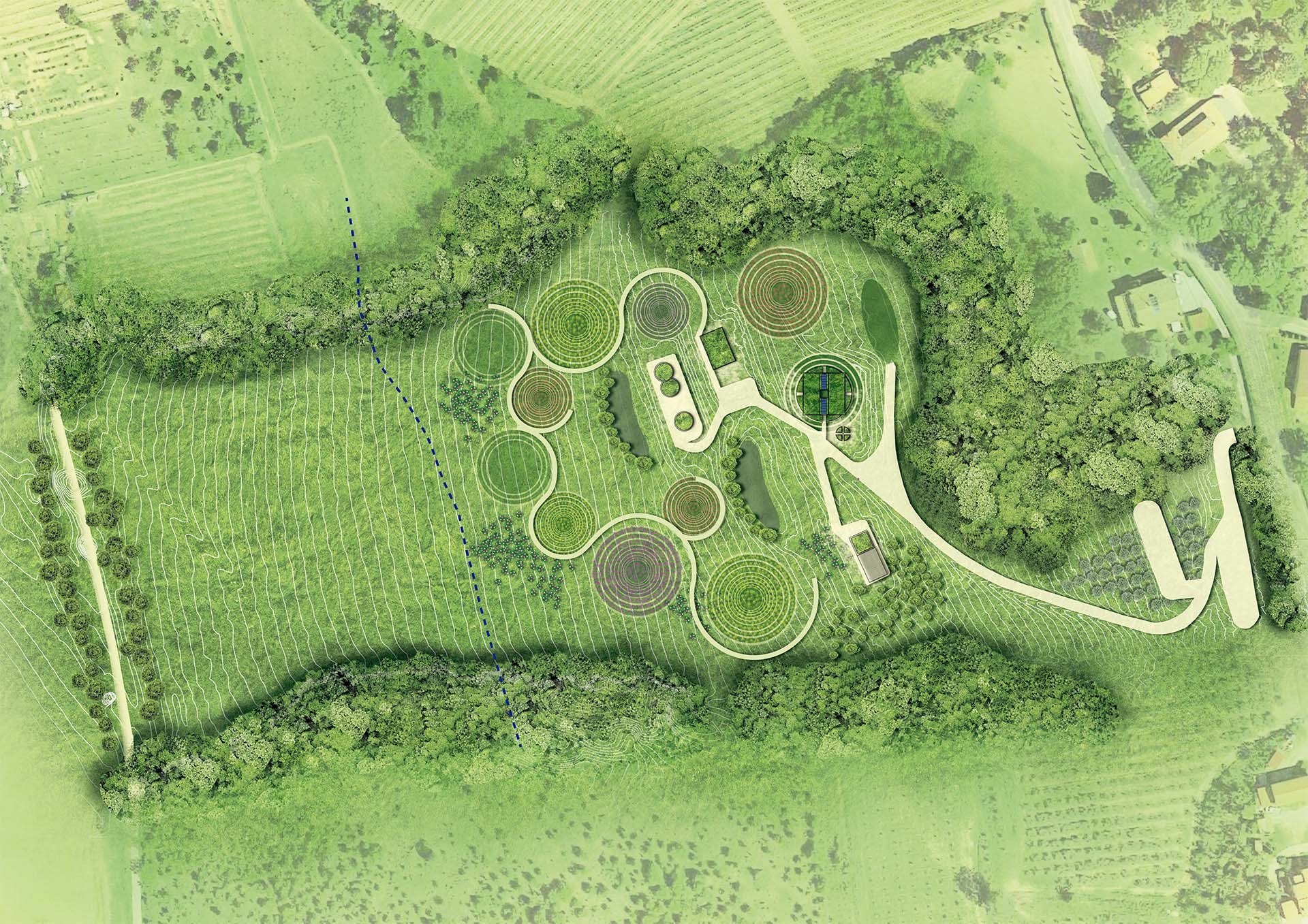 Shamballa is taking shape as the largest open-air laboratory where 3D printing becomes a tool for both production and research. The first structure to be built in this space will be Itaca: the first self-sufficient 3D-printed farm, inspired by an eco-sustainable housing model and supported by a circular micro-economy. Itaca is designed to ensure maximum autonomy in water, energy, and food, through the efficient use of natural resources.
Over the next three years, Shamballa will be enriched with new projects aimed at expanding the possibilities of 3D printing in the construction sector, with a particular focus on the use of natural materials. High energy-efficiency housing solutions will be developed, along with infrastructure such as rest areas and sanitary facilities, and micro-architectures dedicated to biodiversity protection, including shelters for insects and microfauna.
All images: WASP – Remember, you can post free-of-charge job opportunities in the AM Industry on 3D ADEPT Media or look for a job via our job board. Make sure to follow us on our social networks and subscribe to our weekly newsletter: Facebook, Twitter, LinkedIn & Instagram! If you want to be featured in the next issue of our digital magazine or if you hear a story that needs to be heard, make sure to send it to contact@3dadept.com.