Australian munitions company NIOA will bring industrial-scale ceramic and metal 3D printing to its Maryborough facility, in Queensland. The Queensland Government announced this week a $15 million in funding for the project through its Sovereign Industry Development Fund.
The site in question is Rheinmetall NIOA Munitions (RNM), a joint venture with Germany’s Rheinmetall Waffe Munition GmbH that opened in 2022. Until now, the plant has forged and machined the bodies of 155mm artillery shells for customers abroad.
For Australia, building sovereign supply chains for defense components has become a policy goal in its own right, and additive manufacturing (AM) is now part of that equation.
What will be 3D printed in Maryborough?
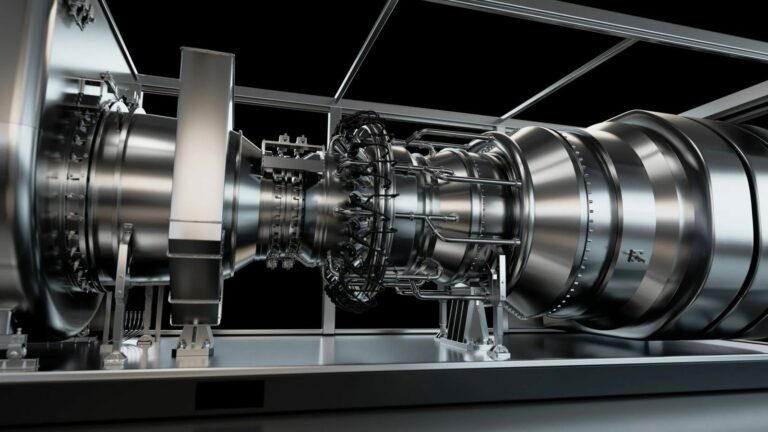
According to NIOA, the funding will allow the facility to 3D print missile, drone and counter-drone components in metal and ceramics, and to post-process them on site. The state statement also lists munitions and rocket motors, for both domestic and export defense markets.
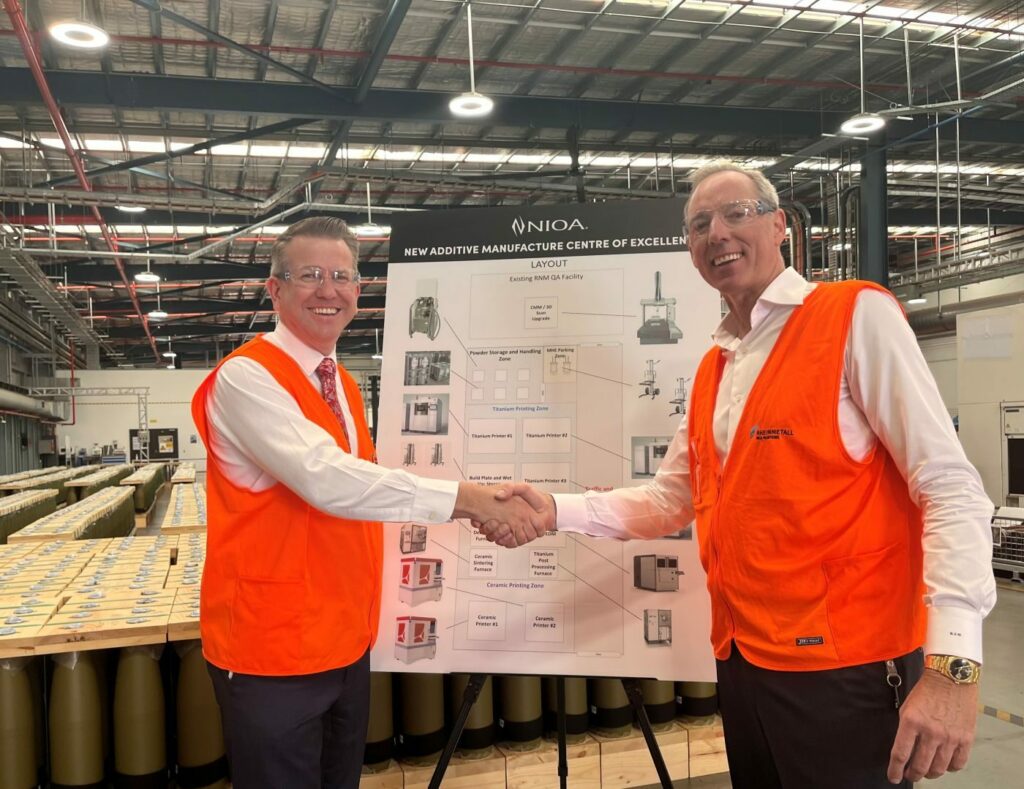
The new capability would cover the whole chain, starting with the design and production of the feedstock and ending with post-processing. NIOA plans to install five industrial 3D printers, three for ceramics and two for metal, plus two sintering ovens for printed parts and a third one for prototypes; These systems will sit alongside the existing forging and machining lines.
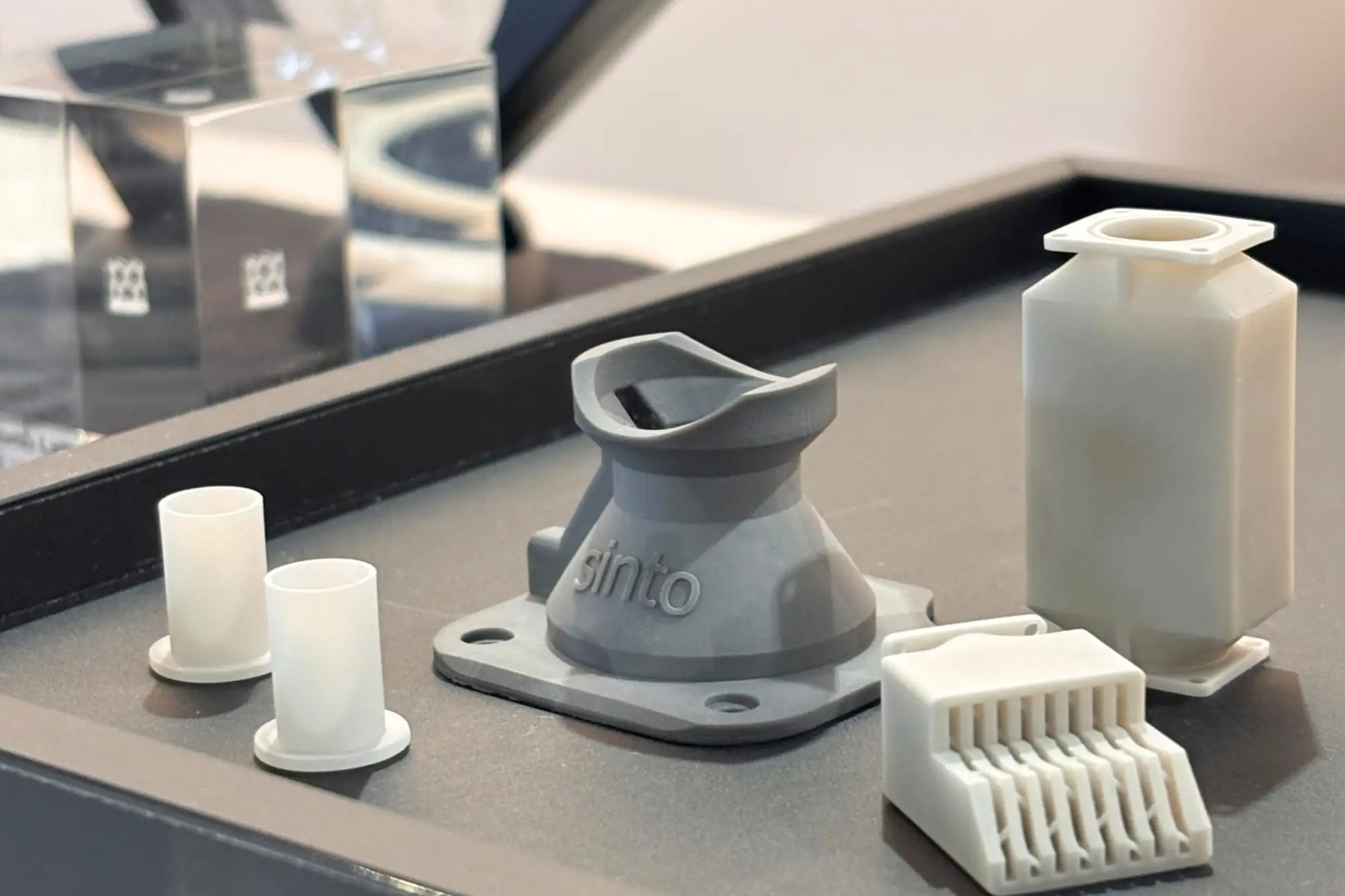
The Queensland Government presents the project as the first industrial-scale production capability for ceramic 3D printing in Australia. NIOA, for its part, mentions ceramic parts for high-speed defense systems and, more generally, parts with complex geometries that must be light, strong and resistant to high temperatures.
The total project cost is estimated at about $30 million (A$29.85 million in the government statement). The capability should be fully running by late 2028 and would create and sustain up to 18 jobs.
“The Queensland Government’s support will bring the latest technology to Australia, including industrial-scale metal and ceramic 3D printing, and put it to work building sovereign capability,” said Rob Nioa, Managing Director and CEO of NIOA.
The announcement adds to a series of Australian initiatives that aim to build a domestic AM base for defense, such as the A$2.7 million project led by Stärke-AMG and Flinders University to produce certified metal AM parts.
With three of the five planned 3D printers dedicated to ceramics, the Maryborough project puts ceramic AM on a production floor, right next to forging and machining lines that already deliver artillery shells.
THE 3D ADEPT WEEKLY NEWSLETTER
The industry moves fast. Stay ahead.
Every week, the latest additive manufacturing news, in-depth features and real-world applications, straight to your inbox. Plus, be the first to know when a new issue of 3D ADEPT Mag is out.
Free · One email a week · Unsubscribe anytime
Clicking loads our email provider’s sign-up form, including its analytics and Google’s anti-bot protection. You’re only subscribed if you complete the sign-up. Read our privacy policy.