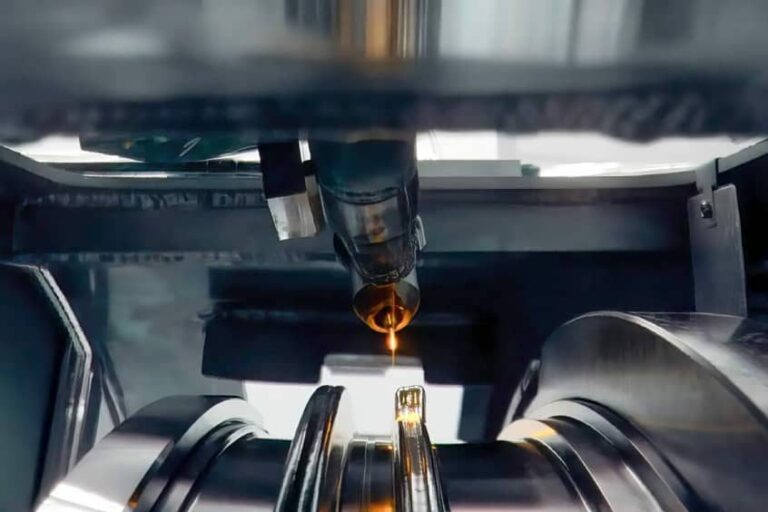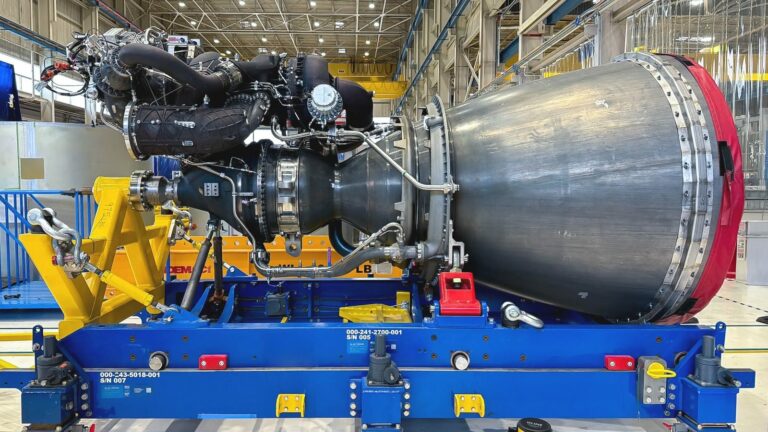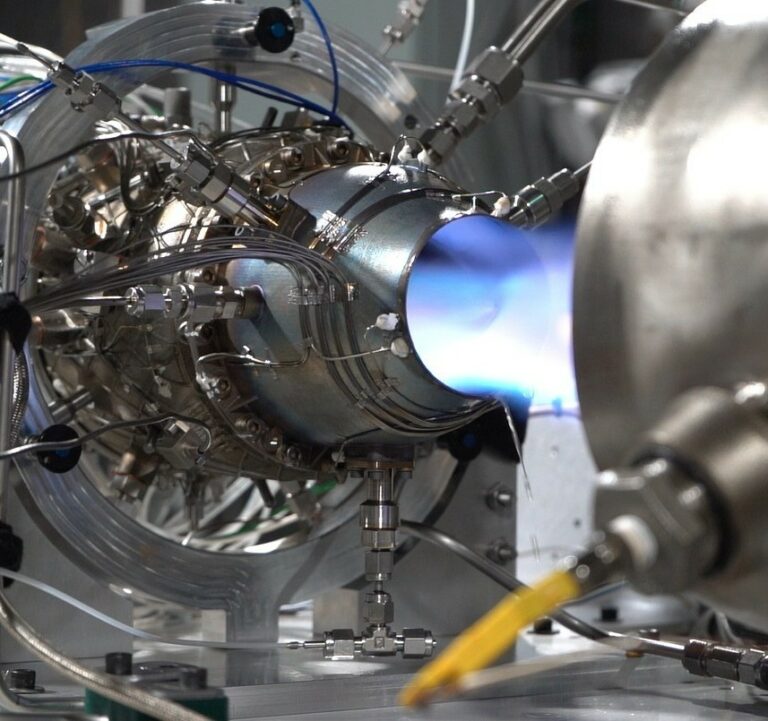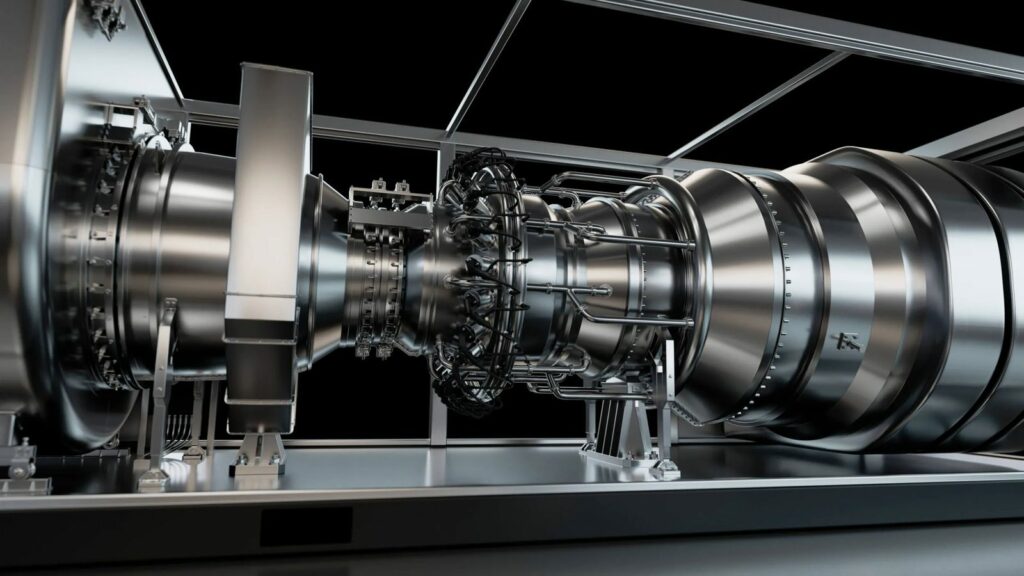
Boom Supersonic has bought three CeraFab S65 industrial printers from ceramic 3D printing company Lithoz. With these machines, the Colorado-based aerospace OEM will develop and produce complex ceramic casting cores for the single crystal turbine blades of its Superpower industrial gas turbine.
Casting cores shape the internal channels of a turbine blade, and the hotter the turbine runs, the more complex those channels need to be.
Superpower builds on the supersonic turbofan technology that Boom is developing for its own aircraft. Besides this turbine, the company is working on the Overture supersonic airliner and the Symphony turbofan engine.
Boom chose Lithoz’s Lithography-based Ceramic Manufacturing (LCM) technology after Lithoz delivered a series of prototypes. LCM cures a ceramic slurry layer by layer with light, which is what makes the fine, branched cavities of a casting core printable.
“Lithoz convinced us by their excellent support in delivering a series of prototypes. LCM technology was able to produce repeatable, reliable results, and it was selected as a key technology of choice for our in-house turbine blade production,” says Nick Sheryka, Chief Engineer at Boom Supersonic.
Why LCM for ceramic casting cores?
Boom is not the first engine maker to take this route. In 2025, Safran Aircraft Engines installed three CeraFab System S65 printers to build up the serial production of casting cores for next-generation turbine blades.
Not surprisingly, Lithoz presents the order as part of a broader trend. The Vienna-based company recently reported a 40% year-on-year rise in its material sales, mostly driven by silica-based materials bought by aircraft engine OEMs and a few contract manufacturers.
“As there is a lot of market dynamic going on in this specific field of application right now, we are very proud to see another major aerospace OEM adopting LCM as their technology of choice,” Dr. Johannes Homa, Lithoz CEO.
Earlier this year, Boom’s AM lead Ruslan Pshichenko explained to 3D ADEPT how the company de-risks AM by starting with non-critical parts. Turbine blade cores represent a completely different level of complexity, reflecting the company’s growing confidence in the technology.
In its Formnext 2026 preview, Lithoz had promised more customer announcements before the show. This one comes at the right time and visitors can meet the team in Hall 11.0, Stand B50.
THE 3D ADEPT WEEKLY NEWSLETTER
The industry moves fast. Stay ahead.
Every week, the latest additive manufacturing news, in-depth features and real-world applications, straight to your inbox. Plus, be the first to know when a new issue of 3D ADEPT Mag is out.
Free · One email a week · Unsubscribe anytime
Clicking loads our email provider’s sign-up form, including its analytics and Google’s anti-bot protection. You’re only subscribed if you complete the sign-up. Read our privacy policy.