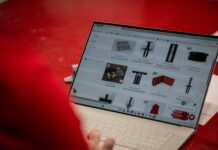
Historically, the 3D model-sharing ecosystem has always been subject to misused user generated content. While this battle seems one of those you never really end, MakerWorld just played one of his cards, with the launch of a Creator Copyright Program.
The program helps designers combat piracy of their 3D models. The initiative formalizes a reporting system and partners with IP enforcement agencies, including CopyrightShark and FirstBrave, to pursue takedown actions on creators’ behalf.
Rather than leaving designers to handle infringements alone, the platform aims to centralize and streamline enforcement. The move is intended to strengthen trust and make the ecosystem more attractive to professional creators.
Here is the process
Model protection requests are submitted through MakerWorld’s profile system. Access is restricted: only creators enrolled in the platform’s exclusivity program can apply, and the feature is still in beta.
At this stage, eligibility is limited to users with more than 300 followers, indicating a controlled rollout. The platform signals a gradual expansion, with lower entry thresholds expected over time. Currently, enrolled creators can submit protection requests for up to 10 exclusive models per week.
If a creator escalates to a formal copyright claim under the Creator Copyright Program, additional verification is required. This includes personal identification details and documented proof of model ownership.
A dedicated dashboard tracks open and ongoing claims, allowing users to upload supporting evidence and monitor case progress. The documentation requirements are predefined and structured, suggesting an attempt to standardize enforcement workflows rather than handle disputes informally.
When infringement occurs, the burden does not disappear entirely from the maker. MakerWorld does not clearly specify which platforms it actively monitors, although examples such as Etsy and CraftsMM suggest the scope extends beyond 3D model repositories.
Even so, creators are expected to first report infringements directly on the platform where they discover them. Enrolling in the Creator Copyright Program strengthens the case, primarily because external IP agencies can apply more structured legal pressure, but it does not replace the creator’s initial vigilance.
In short, makers still need to document, report, and substantiate claims. Realistically, piracy in digital manufacturing will never be fully eliminated; however, structured enforcement and credible partnerships are a more serious response than passive tolerance.
*We curate insights that matter to help you grow in your AM journey. Receive them once a week, straight to your inbox. Subscribe to our weekly newsletter.