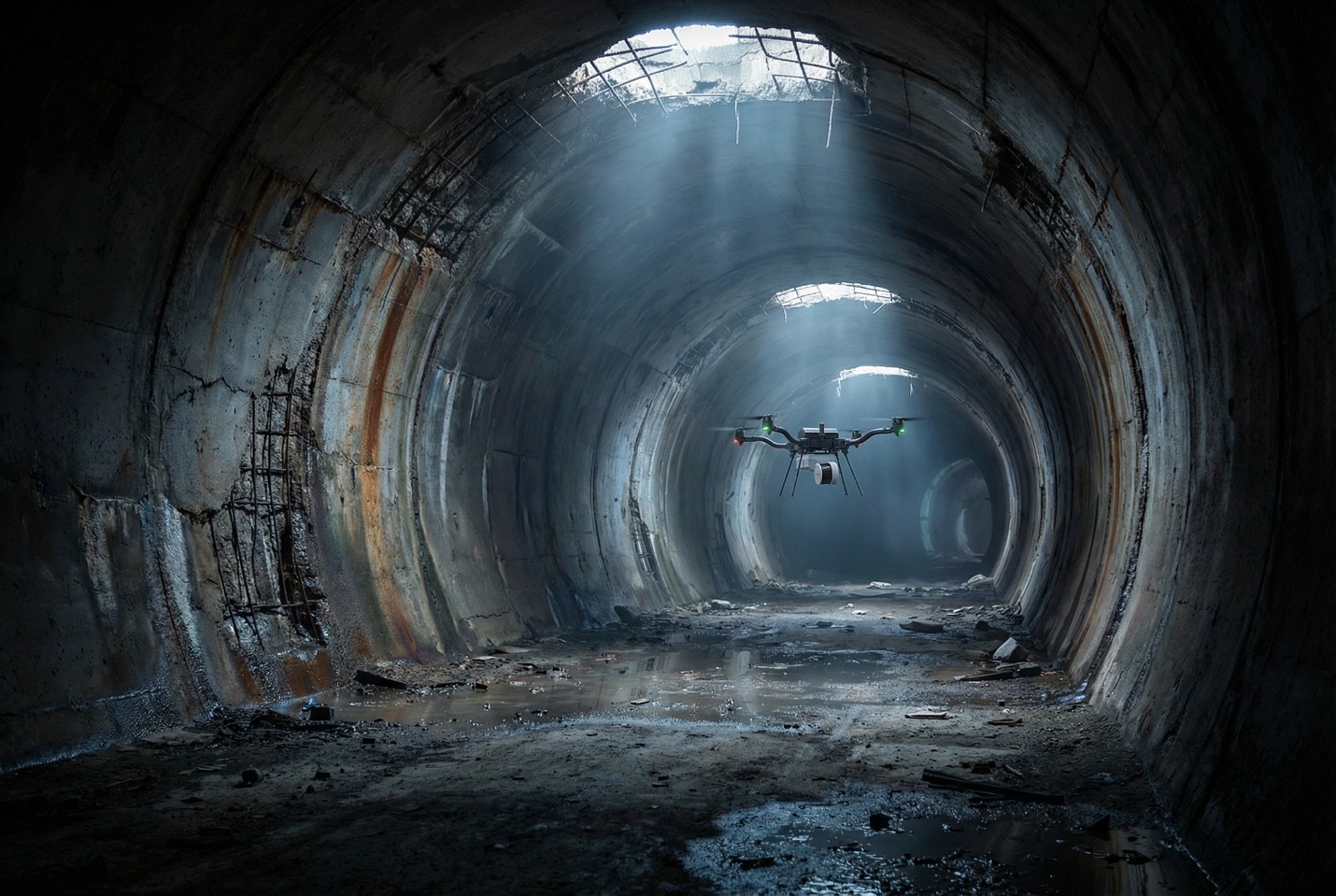
Luxembourg-based Artec 3D, widely known in the additive manufacturing and metrology communities for its handheld 3D scanners, is broadening its horizon. The company has just announced Artec Jet, a SLAM-based mobile LiDAR system designed for large-scale, survey-grade 3D mapping across complex industrial environments.
For readers familiar with Artec 3D through our previous coverage of its scanning solutions, this launch marks a significant strategic extension. Where Artec’s portfolio has long excelled at component- and object-level capture, Artec Jet pushes the boundary to entire sites, from underground mines and tunnels to construction sites, oil and gas infrastructure, and civil engineering projects.
What makes it stand out?
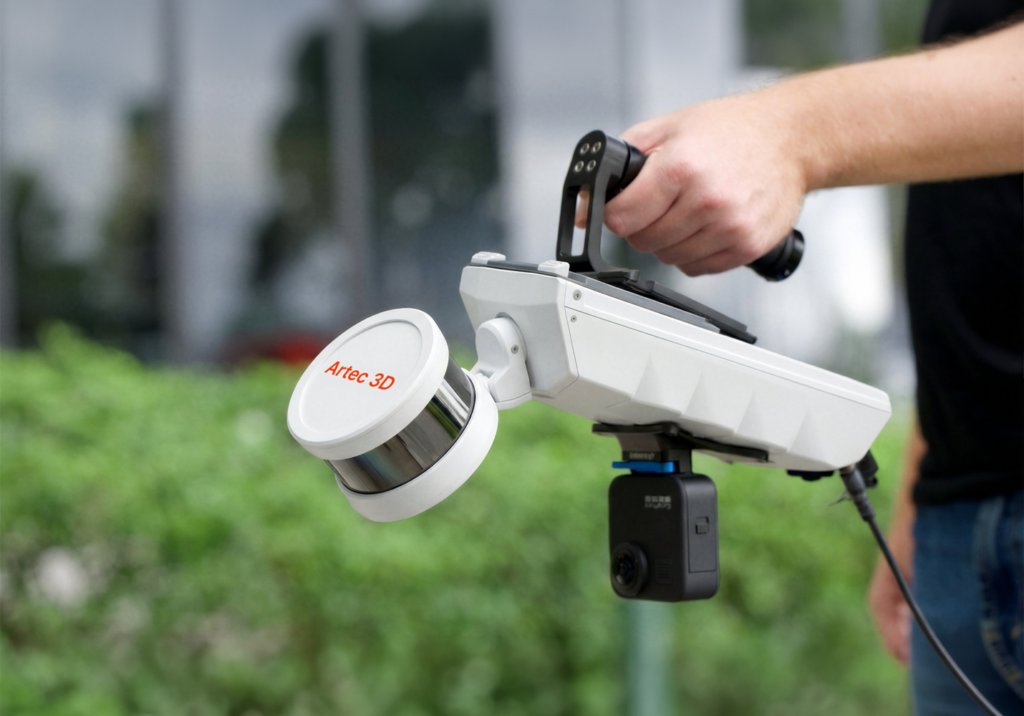
Artec Jet combines high-density LiDAR sensors with advanced SLAM algorithms to deliver an accuracy of ±10 mm indoors and underground, with the ability to detect changes as small as 5 mm. It supports seven deployment modes: handheld, backpack, drone, vehicle mount, protective cage, telescopic pole, and robotic integration.
One particularly notable capability is fully autonomous drone operation. The device can independently plan flight paths and avoid obstacles as small as 2 mm wires, enabling data capture in environments too hazardous for human entry: tunnels, unstable structures, confined spaces. In GPS-denied conditions, the SLAM-driven positioning continues to operate reliably, removing one of the key limitations of traditional aerial survey tools.
The system is accompanied by Artec Twins, a new software platform for processing, merging, georeferencing, and exporting large-scale point cloud data in industry-standard formats (.LAS, .LAZ, .E57, and others).
Industrial sectors targeted
For sectors like AEC, mining, defense, and energy, where digital twins, as-built documentation, and change detection are critical workflows, the combination of Artec Jet’s multi-modal deployment and Artec Twins’ processing capabilities could meaningfully reduce lead times and on-site risk.
Artec Jet now sits alongside Artec Ray II (for large objects) and Artec Leo (for component-level detail), completing an integrated ecosystem that spans from individual parts to full-site infrastructure.
Artec Jet is already available for commercialization. All images: Artec 3D.
*We curate insights that matter to help you grow in your AM journey. Receive them once a week, straight to your inbox. Subscribe to our weekly newsletter.