Among all diseases, cancer stands out as one that has persistently caused suffering, fear, and loss. Ever since we have started covering the use of AM in the healthcare and medical industries, we have witnessed a wide range of solutions that have been developed and are currently being developed to cure cancer.
TissueTinker, a newcomer in the field, is joining the list of companies that are playing a role in this area. The early-stage biotechnology company is developing a library of 3D tumor models that replicate key aspects associated with cancer growth and metastasis.
The team has mastered spatial control over where cells are placed, creating models that mimic the way tumours develop in the body.
The models can be as small as 300 microns, allowing researchers to analyze specific physiological properties like hypoxic cores (low-oxygen areas within tumours). “This is the sweet spot size,” co-founder Benjamin Ringler explained. “It’s large enough that it’s still valuable for testing purposes, but small enough to minimize resources.” Ringler recently finished his master’s at McGill in translational biomedical engineering.
Not only has TissueTinker achieved the optimal size for their tumours to balance cost and accuracy, but the tumours can also be customized based on the desired research question. “The ability to customize the tumour really allows researchers to gain deep, targeted insights into how cancer behaves at a micro level”, Ringler explained. This unique property allows researchers to obtain specialized, tailored results, which plays a significant role in the success and advancement of these drugs to the next stage of testing.
“Because the testing environment more readily simulates the human body, researchers can better assess and understand whether or not their drug works before reaching clinical trial stages,” Ringler detailed. “This is key for drug progression and curbing financial waste in the industry.” With clinical development costing upwards of $1–2 billion per drug, and 67% of those costs concentrated in clinical trial stages, tools that improve early predictability aren’t just scientifically valuable; they’re financially critical. Early identification of ineffective candidates can save hundreds of millions by preventing them from ever entering trials in the first place.
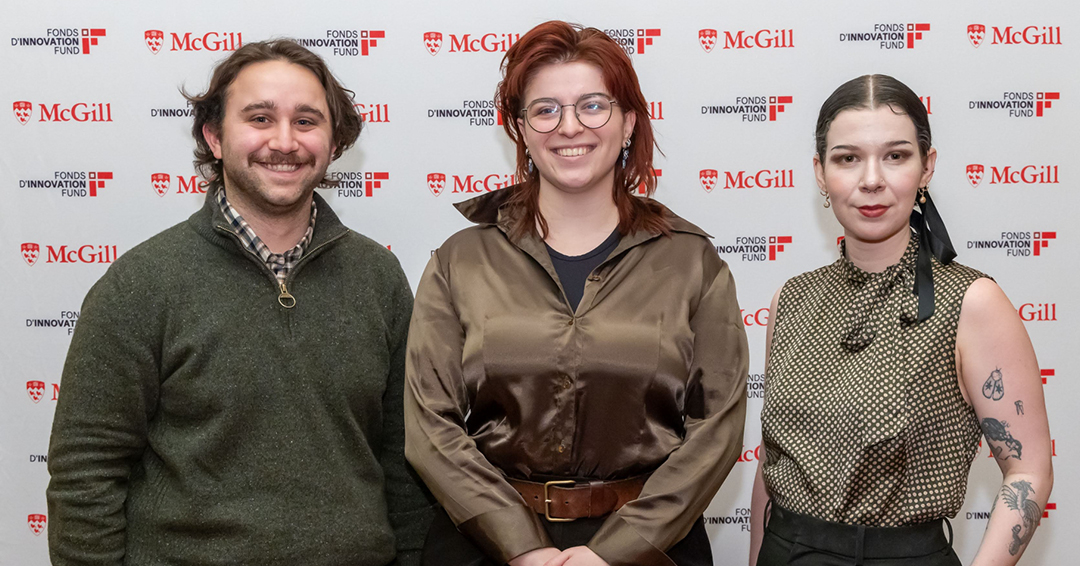
With funding from the McGill Innovation Fund (MIF), the team would expand the tumour library with the ultimate goal of licensing the entire platform in the future.
Remember, you can post free-of-charge job opportunities in the AM Industry on 3D ADEPT Media or look for a job via our job board. Make sure to follow us on our social networks and subscribe to our weekly newsletter: Facebook, Twitter, LinkedIn & Instagram! If you want to be featured in the next issue of our digital magazine or if you hear a story that needs to be heard, make sure to send it to contact@3dadept.com.