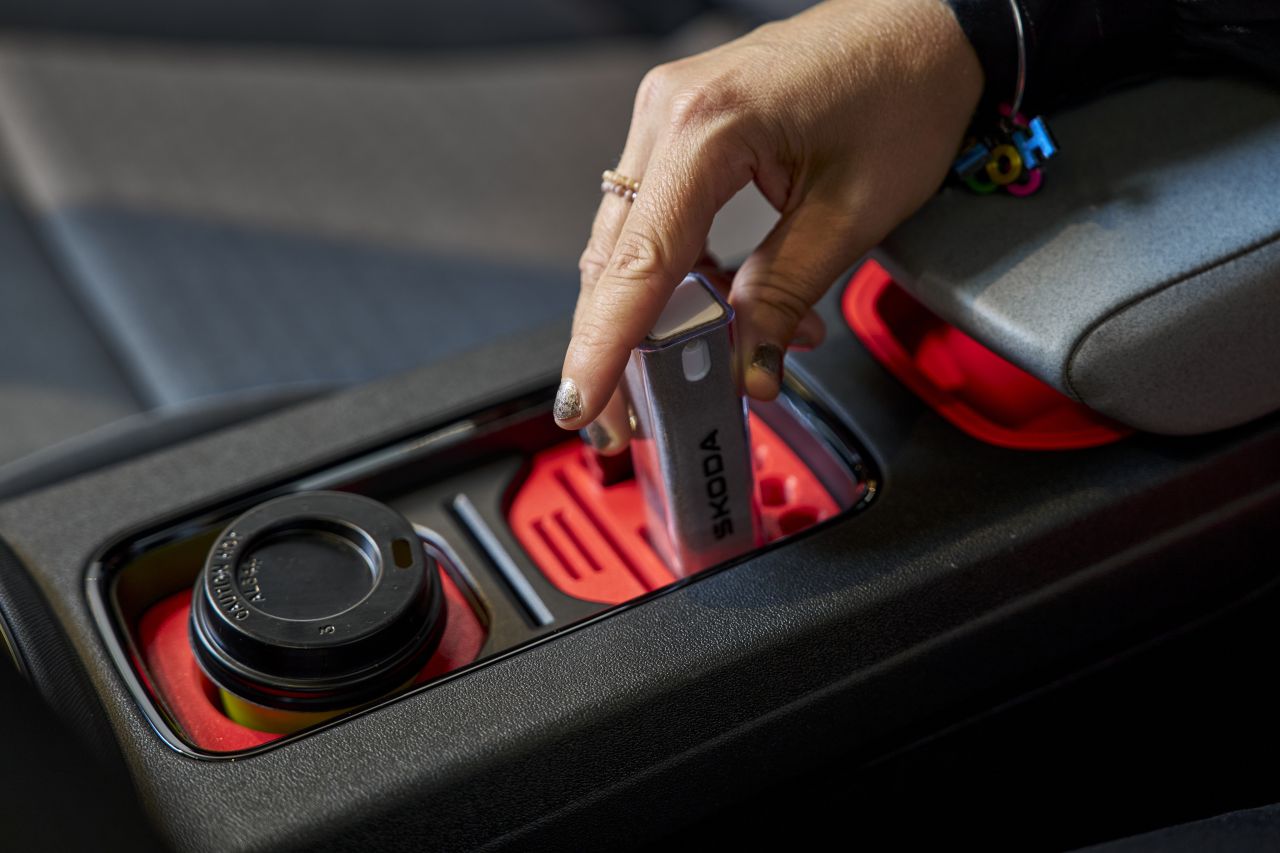
Car manufacturer Škoda Auto has published a collection of official 3D-printable accessories on Printables, Prusa Research’s model-sharing platform. The files are free to download and designed to be printed at home, so owners can make some everyday interior details themselves.
The collection has ten 3D models (for now). Some are universal, such as a USB cable holder, a phone bracket, a coin box and a top tether hook. Others are designed for specific vehicles: cupholder inserts and a jumbo box for the Škoda Epiq, lower console organizers for the Epiq and Peaq, accessories for the Peaq’s folding table, and a cup holder for the Fabia IV.
The carmaker presents them as an extension of its “Simply Clever” philosophy, inviting owners to download, print and “make your Škoda even more yours.”
3D printing at Škoda.
Research reveals that the carmaker set up a 3D printing facility in its development department as early as 1997, at a time when, according to Florian Weymar, Head of Complete Car Development, “we even sent feedback directly to the 3D printer manufacturers themselves.”
Today, its 3D Printing Competence Centre runs 14 industrial machines and two smaller hobbyist-type printers across four technologies: FDM, Multi Jet Fusion, PolyJet and stereolithography.
It produces around 15,000 parts a year, from small components to bumper sections up to one meter long, mainly for design verification, aerodynamic testing and prototyping.
Companies that released 3D printable (car) accessories
In 2022, Ford designed the Ford Integrated Tether System (FITS) of its Maverick pickup to accept both official accessories and those owners create with a 3D printer, from cup and trash bag holders to storage bins. Maverick owners quickly filled platforms like Thingiverse with their own designs.
The approaches differ, however. Ford opened an interface and let the community design, while Škoda publishes its own files.
Outside automotive, WIESEMANN 1893 followed a similar logic with ENABLE 3D, a platform offering 100 digital designs for tool accessories.
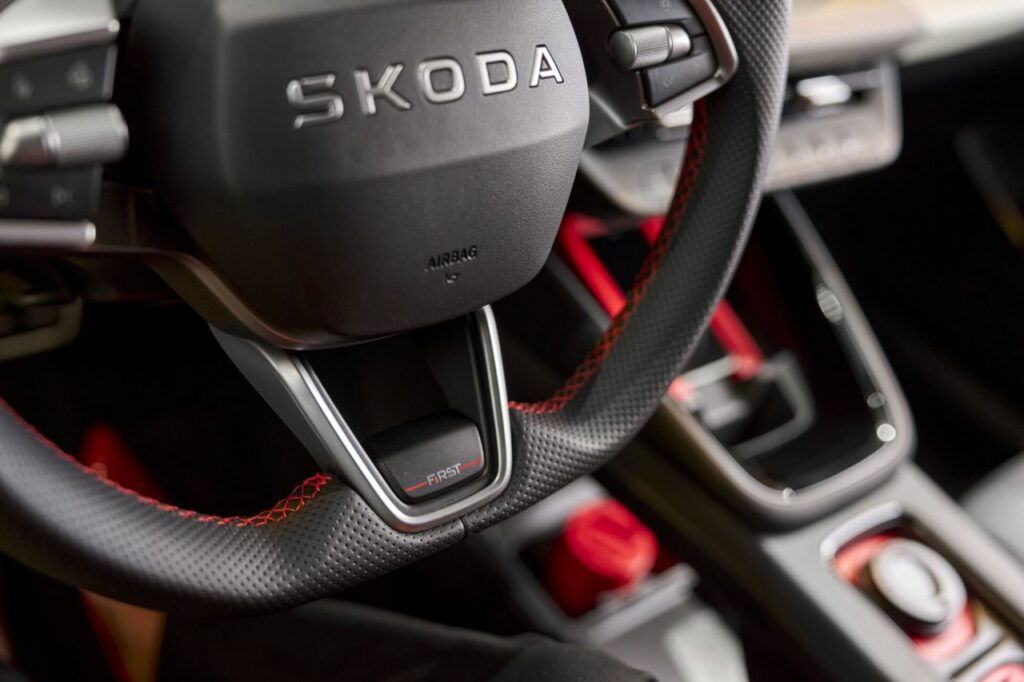
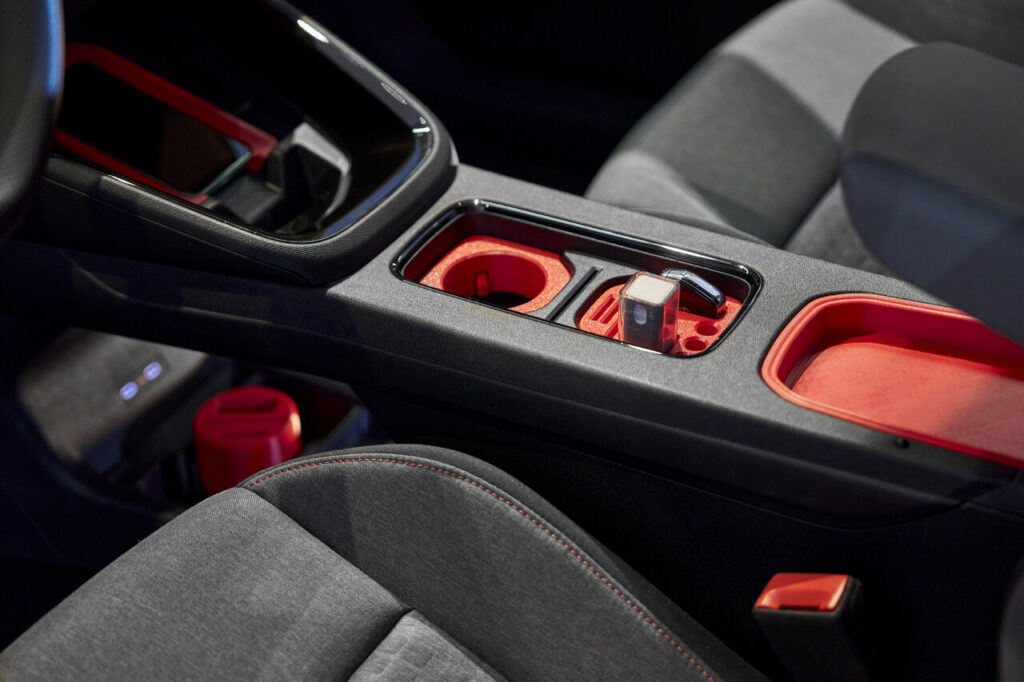
So, while Škoda’s production environment integrates industrial FDM, MJF, PolyJet and SLA systems, this accessory program targets makers and hobbyists using the printers they already own.
For the carmaker, it is a low-cost way to offer personalization and keep owners engaged with the brand. For the AM industry, it is a reminder that FDM remains the entry point through which most consumers experience 3D printing.
All images: Škoda Auto – *We curate insights that matter to help you grow in your AM journey. Receive them once a week, straight to your inbox. Subscribe to our weekly newsletter.