


With 44,519 visitors on site, the event underscored a different pace, different priorities, and ultimately, a distinct set of rules shaping the AM ecosystem.
Day 2 came with a different energy. Still crowded, but navigating the venue no longer felt like a puzzle. It was as if the organizing team had taken stock of the chaos from the day before and quietly course-corrected overnight. Finding our way to the halls was effortless this time.
My focus for the day: Hall 8.1, and the world of polymer 3D printing.
The moment I stepped in, the atmosphere shifted. Where Hall 7.1 had felt industrial, purposeful, dense, serious, Hall 8.1 felt closer to a mall. Booth layouts resembled consumer stores more than exhibition stands. 3D printed shoes dominated the floor and clearly held the title of hottest consumer product of the show. Around them: 3D printed lamps, keychains, toys, objects that made the technology feel immediate and accessible in a way that metal AM rarely does.
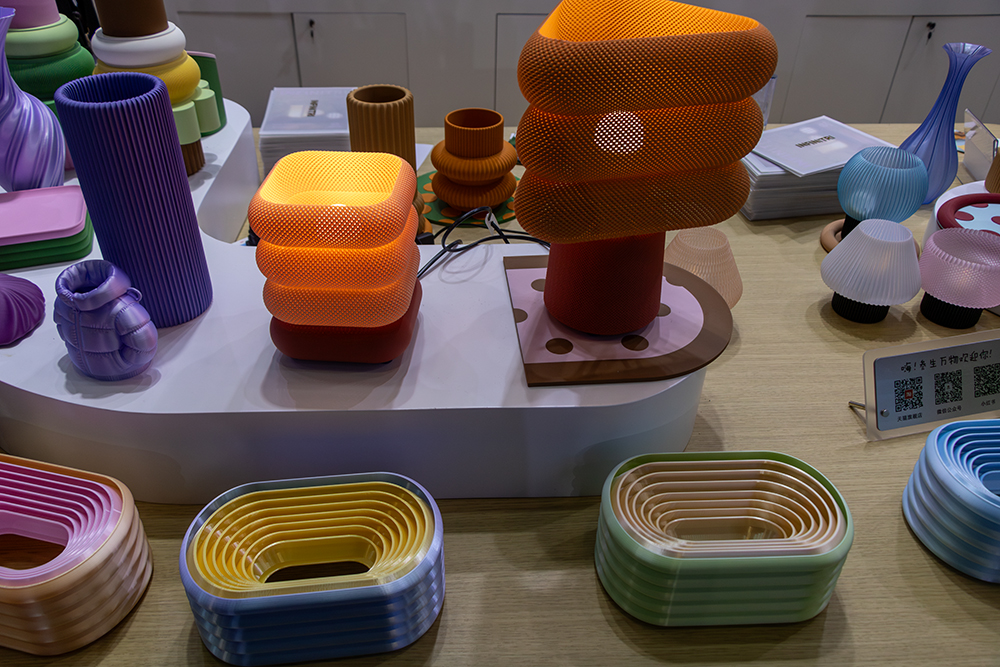
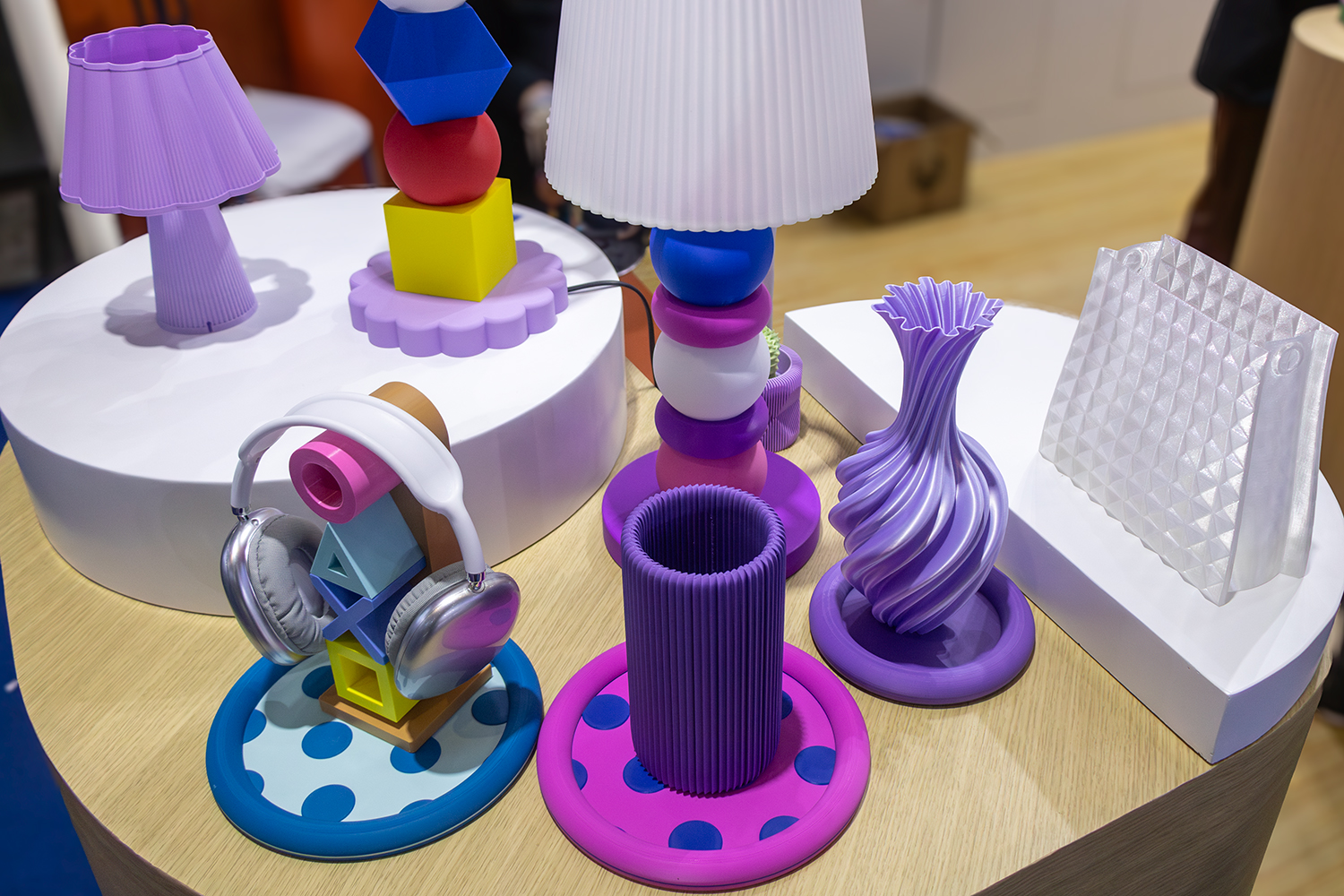
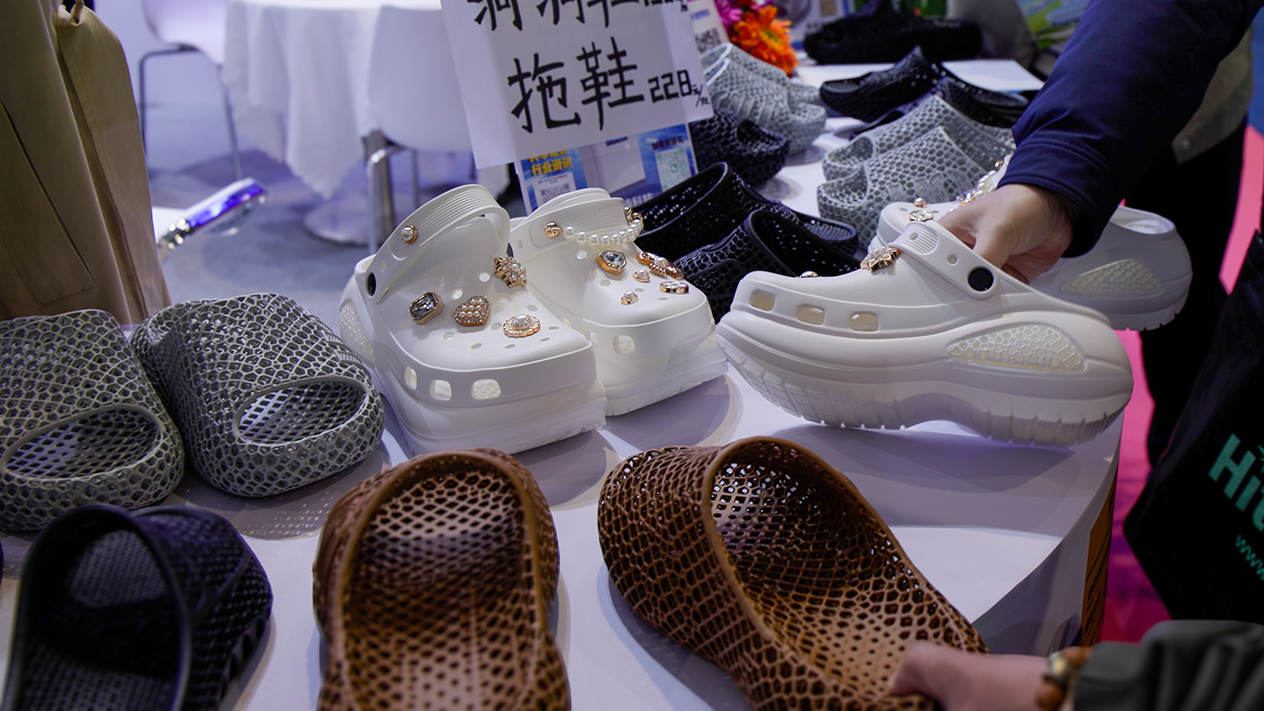
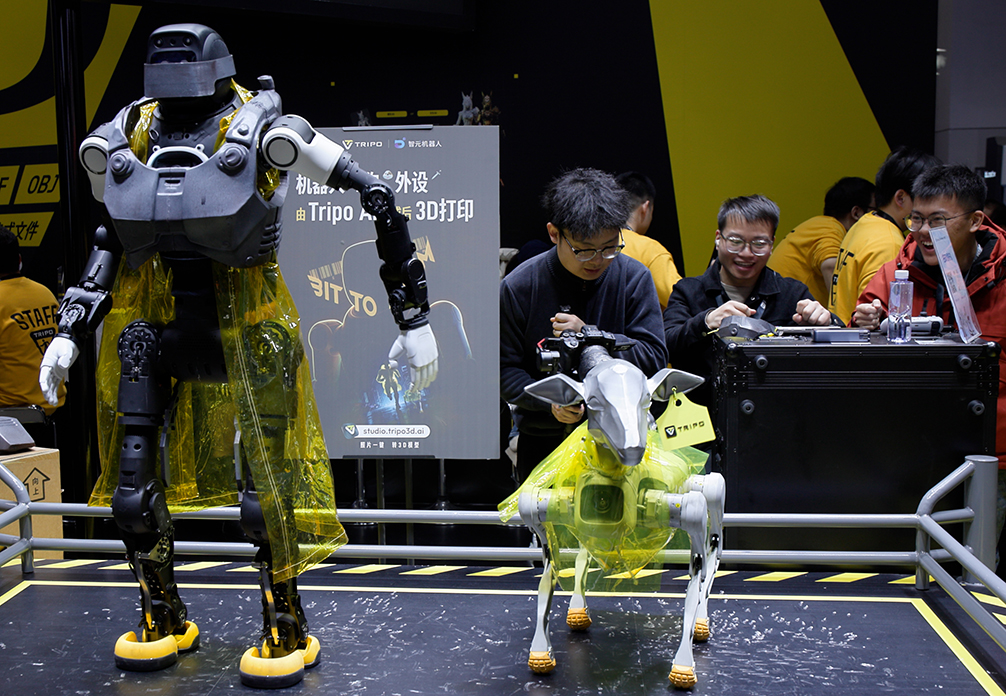
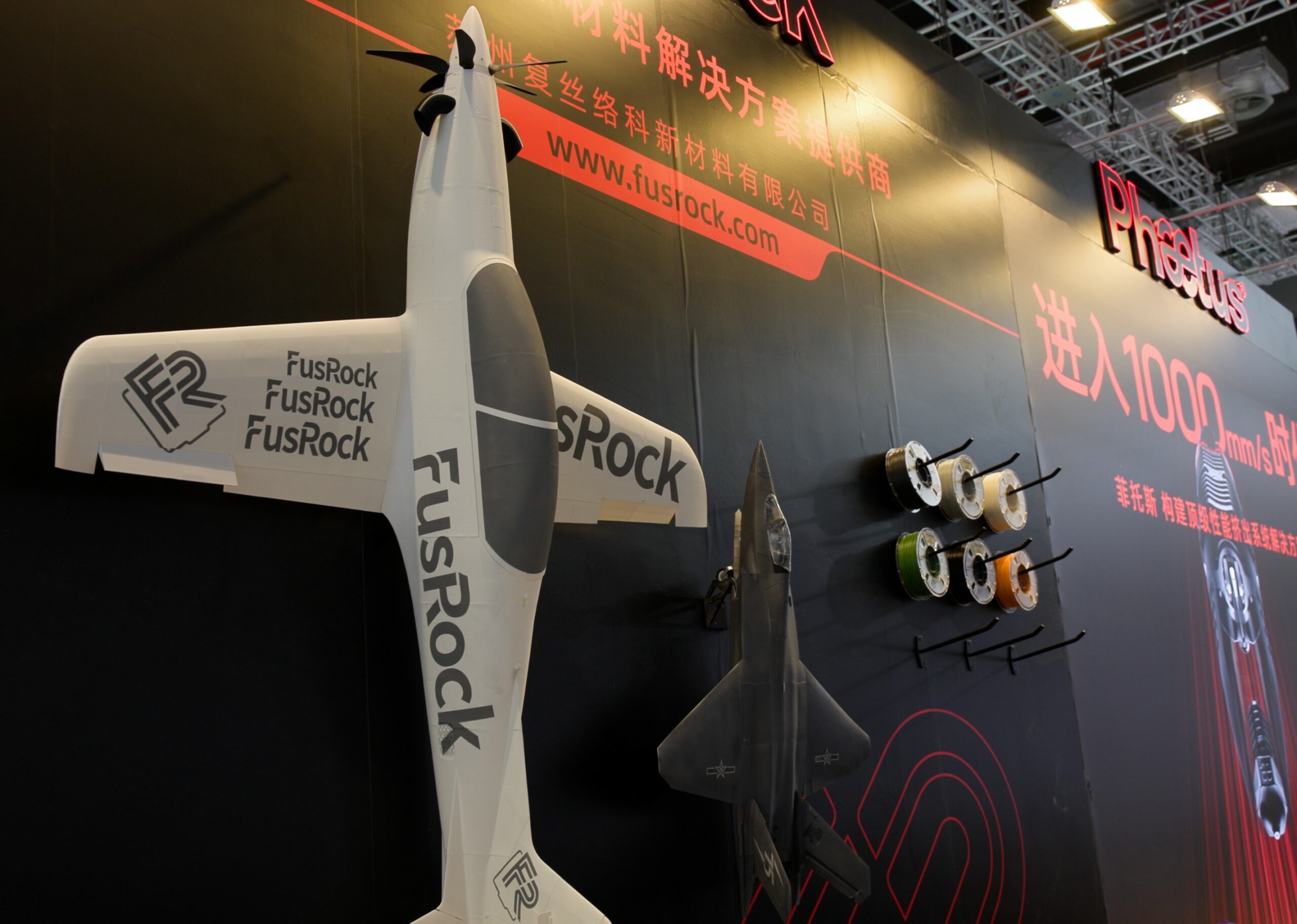
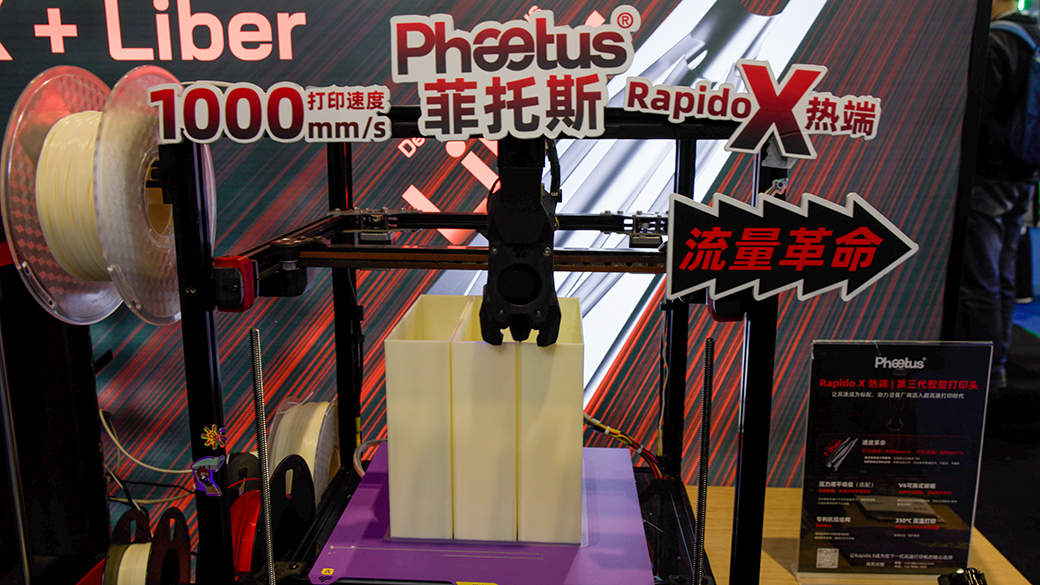
Seeing the full breadth of what FDM 3D printing has become in the consumer goods space made me think: This vertical is probably the greatest growth driver of the technology in the region. The accessibility, diversity, and affordability of FDM machines have created a new competitive pressure: speed. Because when the barrier to entry is low, the one thing that separates manufacturers is how fast they can deliver. Among the companies that have clearly understood this is Phaetus, which showcased on its booth a 3D printer capable of achieving 1000 mm/s.
When scepticism meets reality
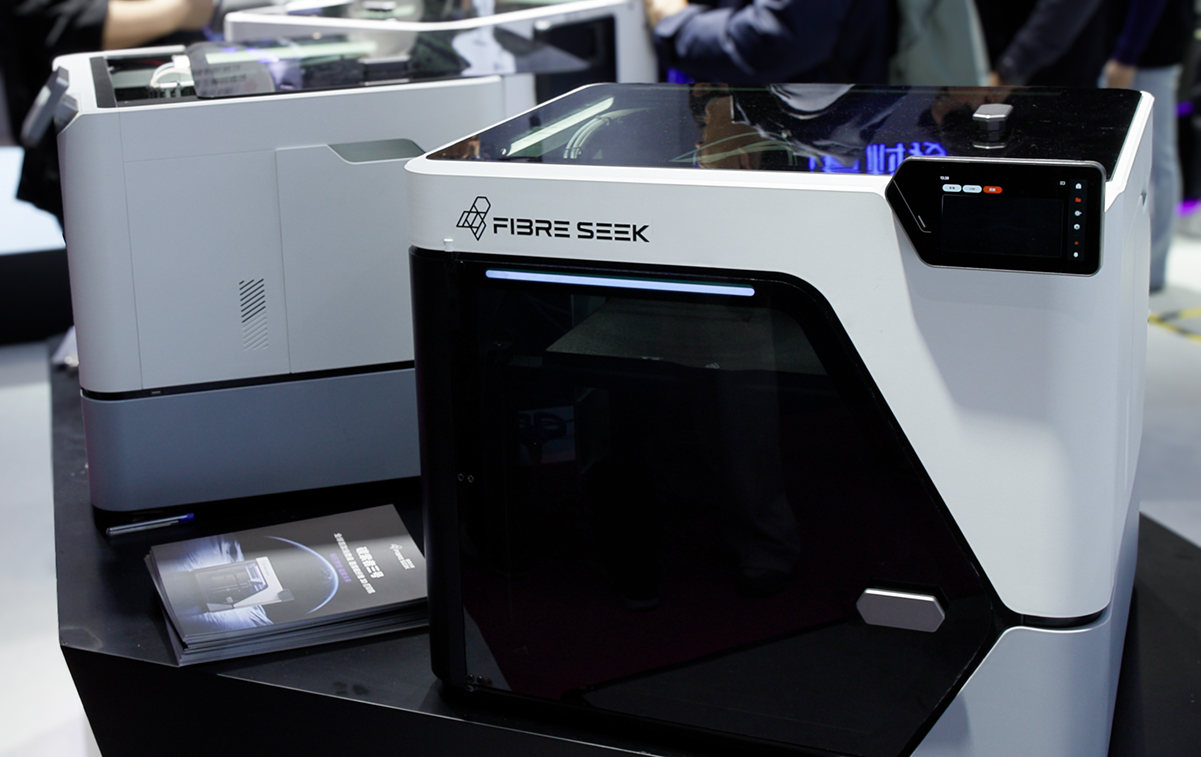
FibreSeek was not on my radar walking into Hall 8.1. But there it was. And with it, the reservations I had carried since Fedor Antonov announced his departure, and the company’s pivot toward consumer products, away from the high-performance applications it had built its reputation on, came rushing back.
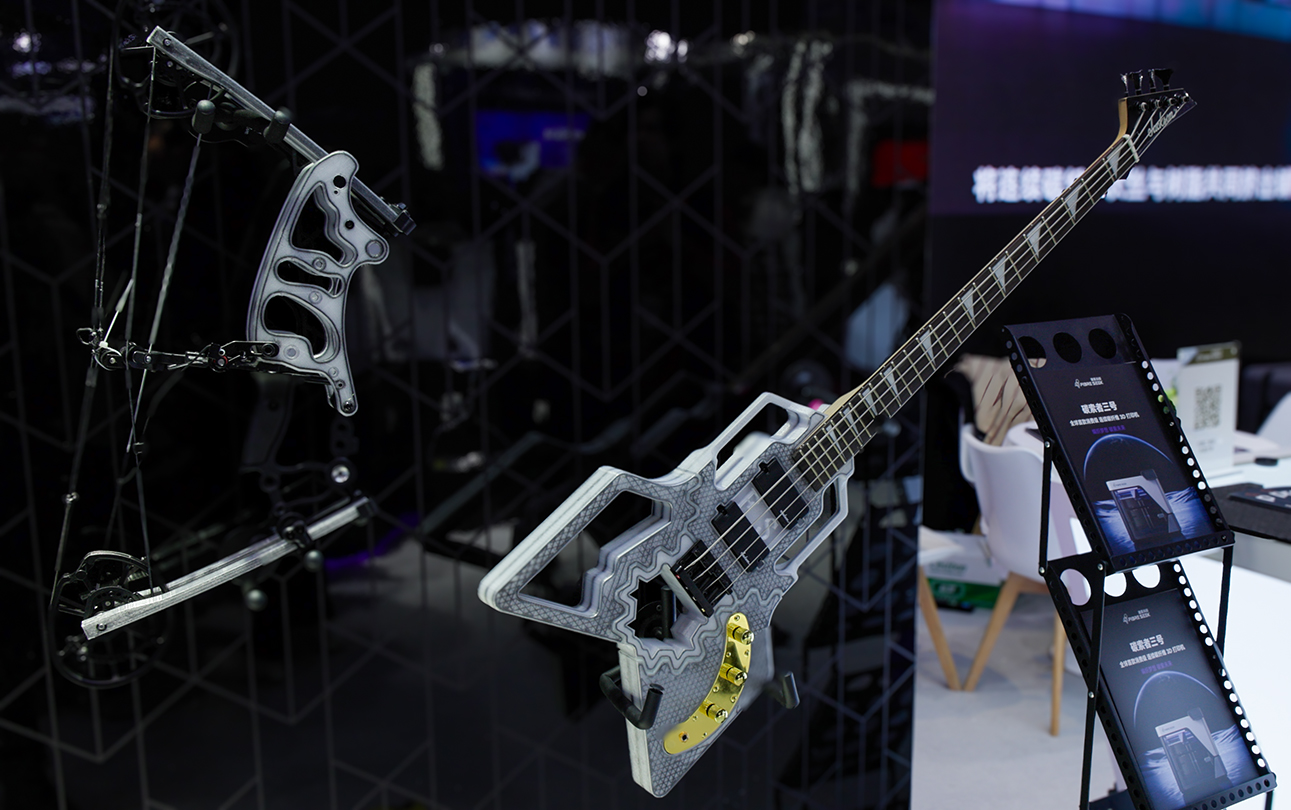
Then I saw the FibreSeeker 3 in person. Launched by FibreSeek and positioned as the “first consumer continuous fibre 3D printer”, the machine is paired with applications that go beyond the consumer pivot: electronics, drone landing gears, robotics. They are functional, demanding, and technically specific. Whatever the strategic repositioning looked like on paper, what FibreSeek is actually enabling sits in a different league, one that still speaks to industries where performance is non-negotiable.
International companies establishing their mark in the region
Hall 8.1 was not only about polymer 3D printing. Other technologies were well represented, and with them, some familiar international names making their presence felt in the region.
Lithoz and long-time partner Steinbach shared a joint booth, using the space to highlight LCM capabilities, a quiet but deliberate statement about the role of ceramic 3D printing in a market often dominated by polymers and metals.
Markforged was also present, though without a major product announcement.
In materials, running into Airtech at TCT Asia, just days after seeing them at JEC World in Paris, reinforced the idea that this company has identified a market fit that few others have mapped as clearly.
I’ll be transparent: sustainability is a lens I bring to every show floor. So when I came across NatureWorks in Hall 8.1, it was never going to be a neutral encounter.
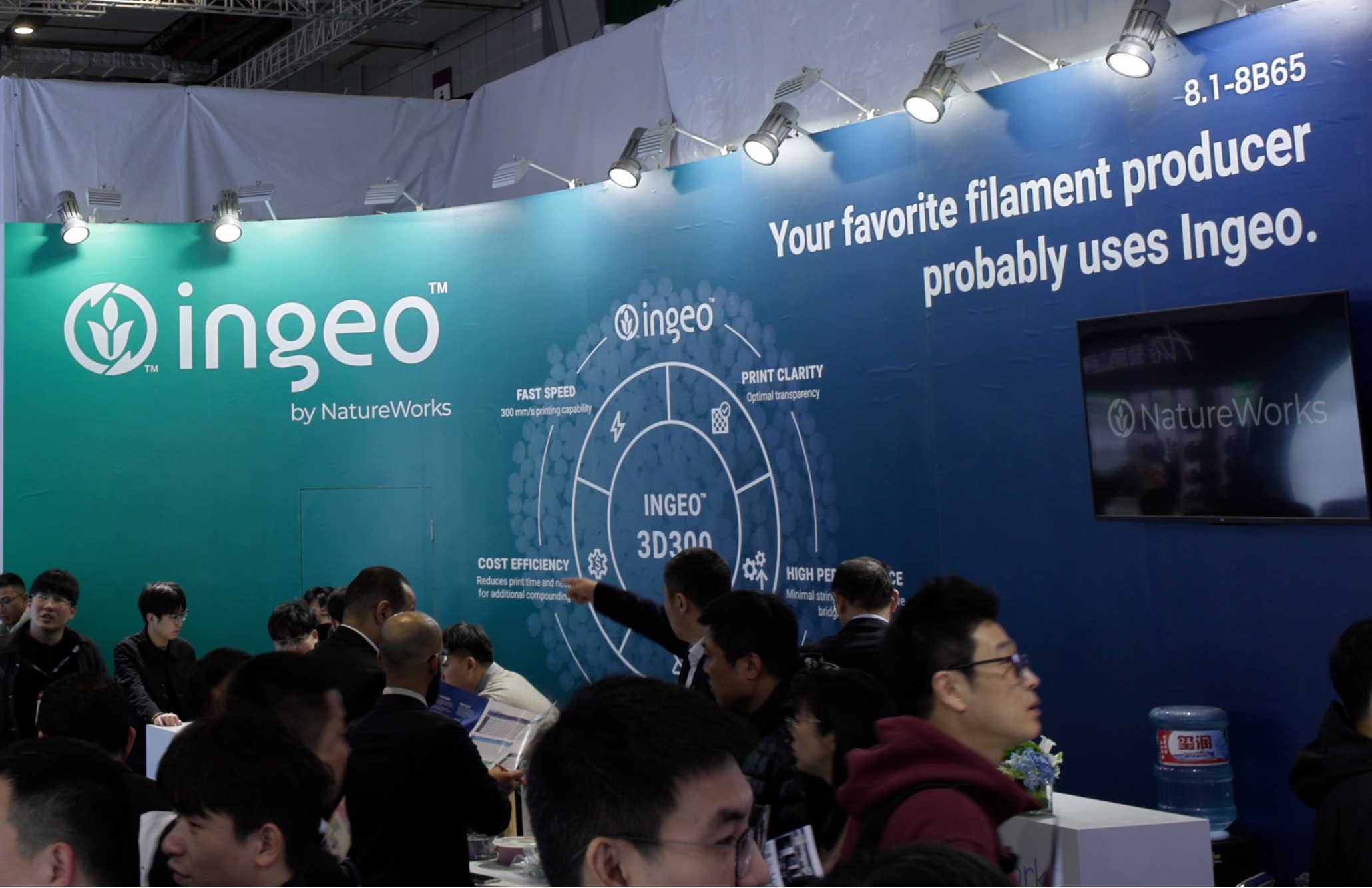
While it was not immediately obvious for people looking at the company’s journey, the underlying message behind the Ingeo™ journey was that sustainability doesn’t stop at the factory gate.
The Ingeo™ journey traces how a bio-based PLA has evolved from its origins into a performance-driven material platform built specifically for additive manufacturing. Ideal for filament manufacturers, compounders, and machine OEMs alike, the Ingeo™ journey isn’t leaning on the bio-based origin of PLA as a feel-good credential.
By supplying engineered resin grades like the Ingeo 3D series, they are enabling faster, more consistent, and application-specific materials.
One to watch: L3AD
The last company I’m keeping on my radar is L3AD, based in Hong Kong and Germany, which describes itself as a digital 3D printing factory platform. The concept is straightforward but the implications are significant: companies access industrial AM capacity without owning any infrastructure. Users upload designs, configure materials, and manage production, logistics, and storage through a centralized system. A virtual factory, in effect.
Backed by a network of over 800 printers across China and Europe, L3AD focuses on scalable batch and serial production across FDM, SLA, and SLS. Its dual footing in China and Europe gives it an unusual position in a market where geography still determines access. The company also develops its own materials to support functional applications, adding another layer of vertical integration to the model.
It reflects a broader shift that Hall 8.1 kept hinting at throughout the day: the infrastructure of manufacturing is being rethought, and access may become the defining logic of the next phase of industrial AM in the region.
Concluding thoughts
Three days. Two halls. 550+ companies and more than 35,000 visitors. And one overarching reality that TCT Asia makes impossible to ignore: the Asian AM market is a market that has already transitioned.
What Hall 7.1 showed through metal, Hall 8.1 confirmed through polymer and other technologies: a technology that has moved past the question of adoption and is now simply part of how things are designed, produced, and delivered.
What became clear is that the Asian AM ecosystem has developed its own logic, its own pace, and its own measures of success.
Because the context in which it operates here is built on different foundations, different priorities, and a different relationship between manufacturing and ambition.
For Western observers, TCT Asia is not a show to monitor from a distance. It is a show to attend, to walk, to get lost in, because the codes of this market only reveal themselves when you are standing inside them.
THE 3D ADEPT WEEKLY NEWSLETTER
The industry moves fast. Stay ahead.
Every week, the latest additive manufacturing news, in-depth features and real-world applications, straight to your inbox. Plus, be the first to know when a new issue of 3D ADEPT Mag is out.
Free · One email a week · Unsubscribe anytime
Clicking loads our email provider’s sign-up form, including its analytics and Google’s anti-bot protection. You’re only subscribed if you complete the sign-up. Read our privacy policy.