


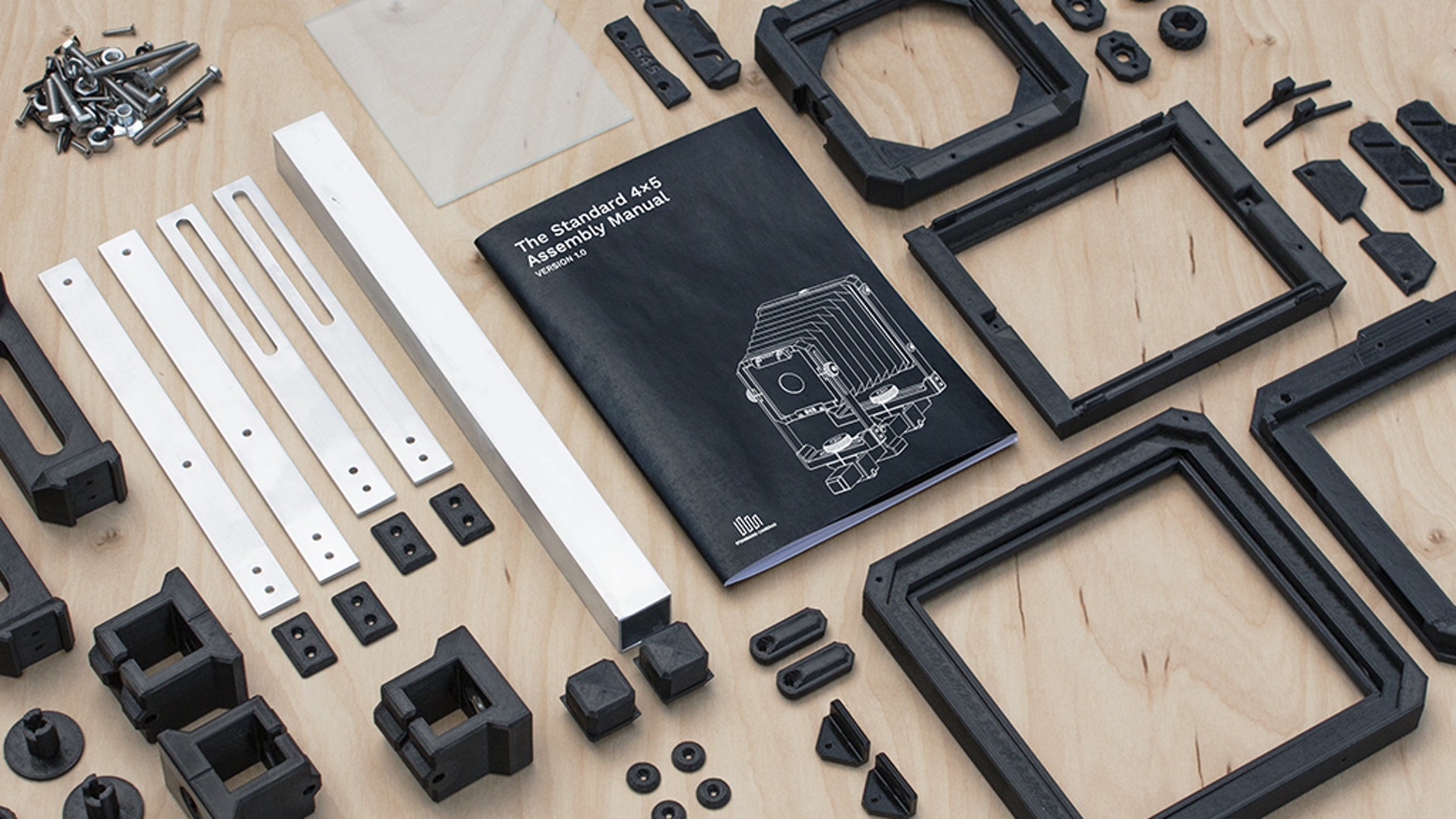
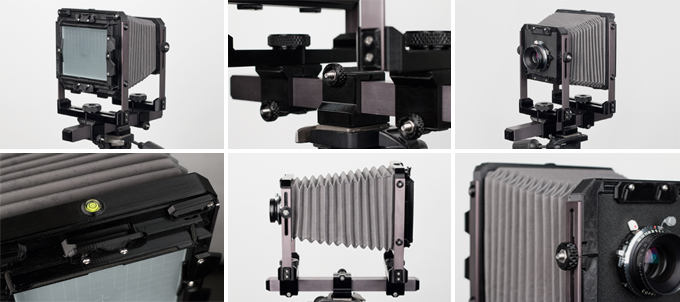
Intended for the new generation of photographers, students and educators, the Standard 4×5 is a lightweight, durable and large format camera. Drew Nikonowicz, its creator, relies on 3D printing for its fabrication, and ensures by this way a fast upgrade and repair if needed.
More than backing a project, you might help build a company
“Through Standard Cameras, I will develop a full range of modular features and tools around the 4×5, like easy-to-replace parts, bellows extension kits, etc. Standard Cameras will also pursue its mission of empowering more people to become photographers, and improve visual literacy across the country (perhaps even the globe!?). This will be achieved by providing educational materials, affordable workshops, camera grants, etc. In short, Standard Cameras will be much more than just a place to buy the Standard 4×5”, Drew Nikonowicz explained.
 Why 3D printing?
Our maker had some requirements regarding the creation of his camera. He did not want to use a lot of materials. With 3D printing, “no support material required for the prints.” Furthermore, all materials should be available at his local hardware store.
Understand fake news with a vintage 3D printed camera
In an article on Kickstarter, Katheryn Thayer explained: “Drew Nikonowicz mentions this pair of images to illustrate how literacy across photography, media, and tech is entwined. If you want to understand fake news, he says, study photography. And if you want to understand photography, Nikonowicz recommends you look back to its 19th-century origins.”
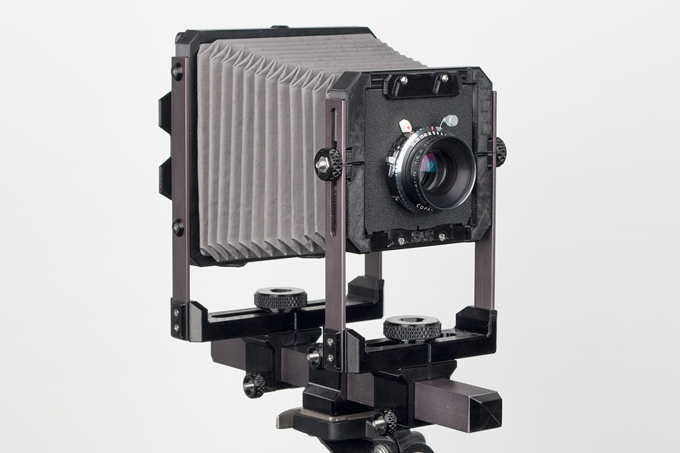 “In a photography education program, working with a large-format camera, even for a little bit of time, is incredibly foundational,” Nikonowicz says. The format requires patience, attention, and thoughtfulness. “You have to have a tripod; you have to meter for the light; you have to get a film holder. There’s this whole procedure that you go through just to make one photograph. Something about that slowing down changed the way I thought about image making, and it changed the places and the things I was looking at in my images while I was actually making them.”
For further information, follow us on our social media and subscribe to our newsletter! Would you like to be featured in the next issue of our digital magazine? Send us an email at contact@3dadept.com
THE 3D ADEPT WEEKLY NEWSLETTER
The industry moves fast. Stay ahead.
Every week, the latest additive manufacturing news, in-depth features and real-world applications, straight to your inbox. Plus, be the first to know when a new issue of 3D ADEPT Mag is out.
Free · One email a week · Unsubscribe anytime
Clicking loads our email provider’s sign-up form, including its analytics and Google’s anti-bot protection. You’re only subscribed if you complete the sign-up. Read our privacy policy.