TE Connectivity, a company we used to see operate in the field of connectors and sensors, uses 3D printing to manufacture the catheter shafts it supplies to medical device manufacturers.
According to the company, the higher-cost, predominately manual assembly process is now automated with 3D printing. The technology would also help develop “sophisticated minimally invasive medical devices,” according to Pat Duane, senior vice president and general manager of the Medical business.
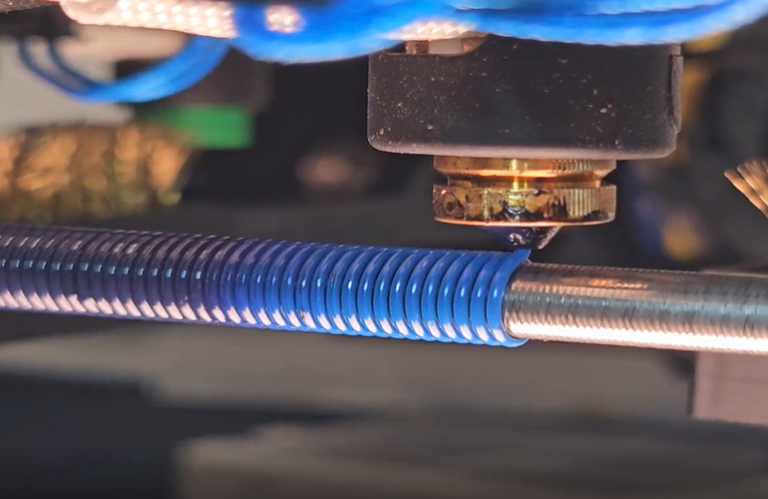
Catheters often require multiple polymer jacket sections with different flexibility characteristics along the length of the device. The new technology, developed by the Advanced Technology Group within TE’s Medical business at the PROPELUS Prototype Center in Galway, Ireland, applies the polymer sections directly onto the catheter shafts during production, resulting in a quicker and more consistent manufacturing process. The resulting catheter shafts have the same mechanical properties, materials and aesthetics as those made by traditional methods.
The new process will allow catheter manufacturers to speed up the development of new devices by allowing TE’s engineering teams to iterate designs more quickly. It may also create opportunities for these manufacturers to introduce new catheter constructions and device architectures that are impractical to manufacture using conventional techniques.
“This process, along with complementary disruptive processes in development, will result in a paradigm shift in catheter manufacturing for our customers. It has the potential to significantly reduce product costs, simplify supply chains and have a positive environmental impact,” said Medical Engineering Fellow Bernard McDermott.
*We curate insights that matter to help you grow in your AM journey. Receive them once a week, straight to your inbox. Subscribe to our weekly newsletter.