The last time, we talked about a 3D printed patch, we said it could provide greater protection than a typical vaccine shot. That application made real splash as it was led by Carbon’s founder, Joseph M. DeSimone.
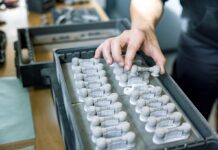
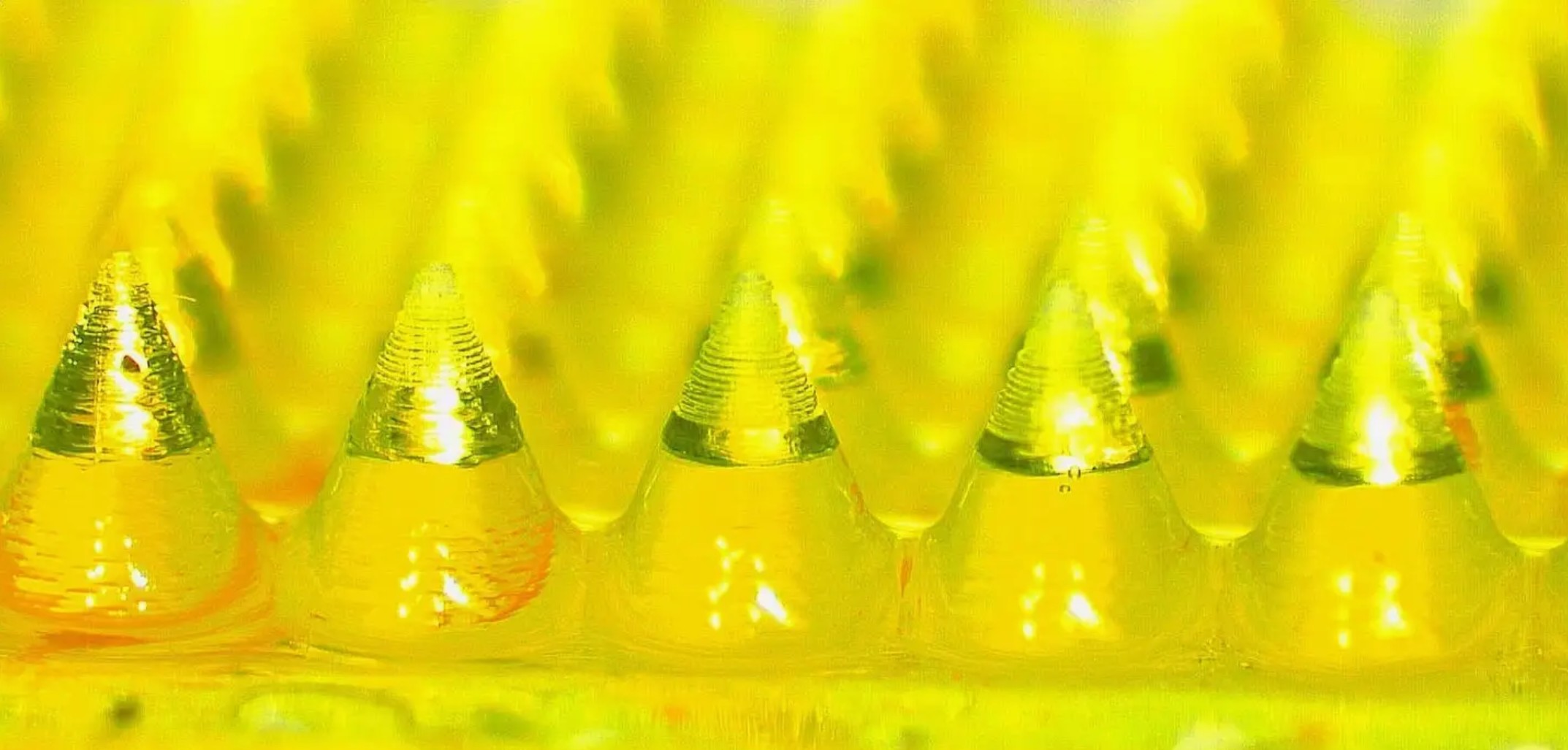
While we never knew if that application followed the commercialization route, we recently learned that researchers from Queen’s University Belfast, developed a dissolvable 3D-printed patch that could help improve treatment for localized skin cancer.
According to Professor Dimitrios A. Lamprou, who led the research, “minimally invasive microneedle systems that dissolve after application could provide a more patient-friendly, simpler and less painful way to deliver cancer medicines. Because the microneedles dissolve after use, they may also help reduce the risk of needle-stick injuries and decrease medical sharps waste.”
The one-step 3D-printing method.
A one-step 3D-printing method leveraged by the research team allowed them to add both anti-cancer drugs directly into a printable resin before making the microneedle patch.
Unlike previous approaches, which coated drugs onto pre-made microneedles, this technique blends the drugs directly into the microneedles during the manufacturing stage. This enables better skin penetration, higher drug loading, and a controlled two-stage release tailored to meet each individual patient’s needs, the team explains.
The researchers believe this approach could support the development of next-generation medicine delivery technologies including vaccines and other life-saving drugs.
The complete study can be read in Advanced Healthcare Materials.
*We curate insights that matter to help you grow in your AM journey. Receive them once a week, straight to your inbox. Subscribe to our weekly newsletter.