The University of Nebraska at Omaha (UNO) recently secured an $8 million award from the National Science Foundation’s E-RISE awards to establish the Nebraska Center for 3D Innovation (NE3D). This research hub will focus on the development of advanced 3D-printed technology for healthcare.
While NE3D is based at UNO’s Biomechanics Research Building, the NSF E-RISE award establishes a coordinated research ecosystem bringing together facilities, educational activities and programs, scientists and investigators through established collaborations with The University of Nebraska at Lincoln (UNL), The University of Nebraska Medical Center (UNMC), UNMC iEXCEL, Children’s Hospital Mammel Innovation Center, and partner organizations including School District 145, Autism Action Partnership (AAP),
The 3D Printing and Training Center at Clarkson College, Metropolitan Community College Prototype Design Lab, and industry partners Shabri LLC.
NE3D was initiated by UNO’s Jorge Zuniga, Ph.D., in 2016 with a small group of scientists and academics and has been a growing collaboration since.
 “What makes NE3D particularly important is that it combines these research areas with education, workforce development, and industry partnerships,” says Zuniga.
The center will focus on three major research areas:
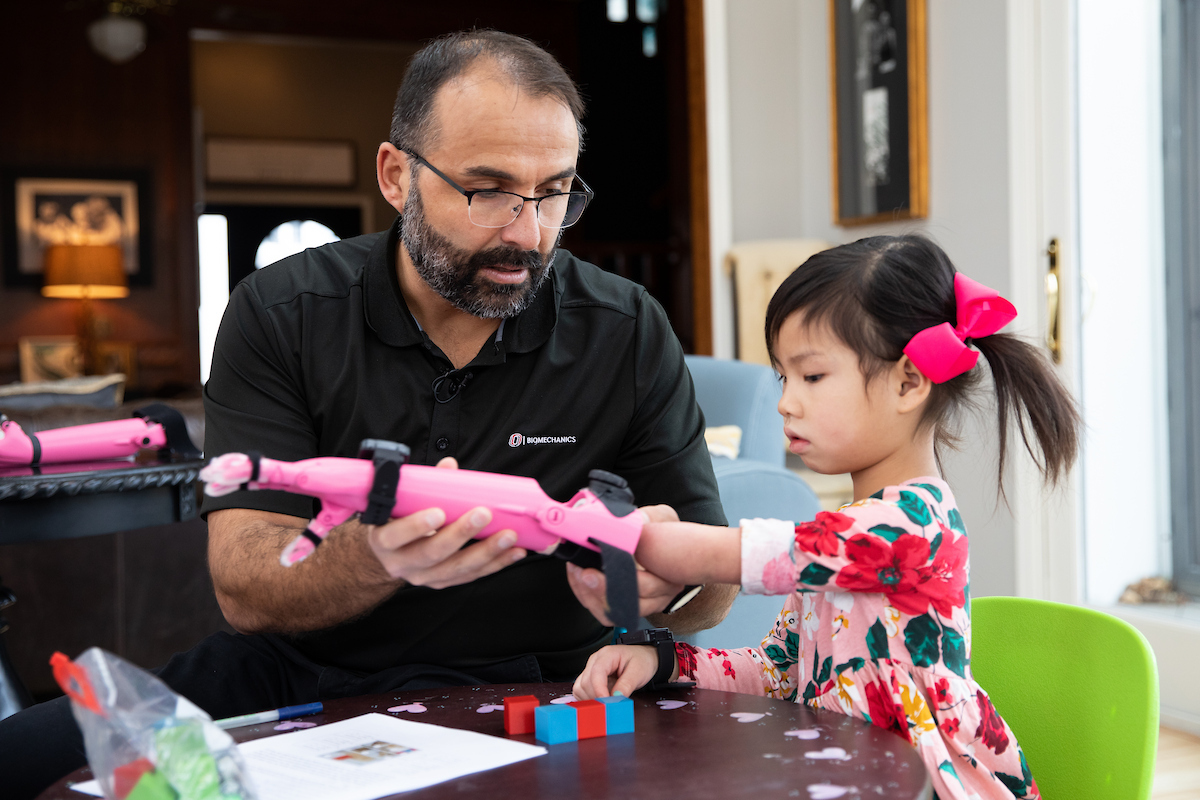
- 3D-printed prosthetics & assistive devices: Creating more human-like, responsive prosthetics and assistive devices.
- Antimicrobial materials for 3D printing: Developing safer materials that help reduce harmful microbes.
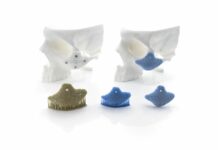
- Patient-specific anatomical models and surgical planning: Combining AI, medical imaging, and 3D printing to create patient-specific models for better care.
“The long-term goal is not simply to produce individual technologies. It is to build research capacity in Nebraska so that researchers, students, clinicians, educators, and industry partners have the infrastructure and collaborative network needed to develop the next generation of healthcare technologies.”
NE3D offers mentored interdisciplinary research to graduate, undergraduate, and high school students in areas such as biomechanics and soft robotics, computer-aided design and prototyping, prosthetic and assistive-device development, medical imaging, AI-enhanced medical technologies, and more.
“The E-RISE program is specifically designed to help states such as Nebraska strengthen research infrastructure, develop scientific talent, build collaborations, and become more nationally competitive in strategically important STEM fields,” Zuniga adds.
“We are incredibly grateful to the National Science Foundation for their support of this important research, education, and problem-solving endeavor.”
*We curate insights that matter to help you grow in your AM journey. Receive them once a week, straight to your inbox. Subscribe to our weekly newsletter.