


November/December 2023 overview, published online in January 2024. Projects, products and schedules refer to announcements from that period.
This overview revisits twelve companies, brands and initiatives highlighted in 2023. It brings together young businesses and new activities from established groups: they were not all founded in 2023, nor were they all emerging from stealth. Software, materials, robotics and applications illustrate the diversity of these developments.
1. ECL

In January 2023, EdgeCloudLink (ECL), led by Yuval Bachar, presented a modular data-centre concept powered by hydrogen fuel cells. The California company announced $7 million in funding from Hyperwise and Molex and a design based on 1 MW modules.
The proposed role for 3D printing concerned building construction, not a “3D-printed hydrogen power grid”. The concept combined off-grid power, a dedicated cooling design and a data-centre-as-a-service model. Mountain View was identified for the first site.
Six-month delivery, construction savings and zero-emission targets were company announcements. This overview does not establish them as measured outcomes or demonstrate that a first data-centre building had already been 3D printed.
2. Outokumpu
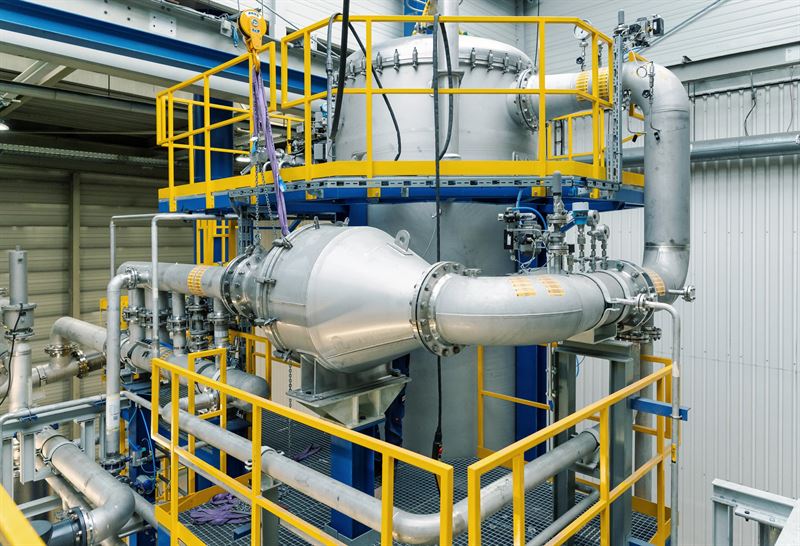
Finnish stainless-steel producer Outokumpu announced its entry into metal powders on 29 March 2023, with an atomization plant in Krefeld, Germany, scheduled to start in April 2023.
The powders targeted additive manufacturing, including binder jetting, and other powder-metallurgy processes. Metal injection moulding (MIM), also mentioned in the announcement, is not a 3D-printing process. Outokumpu aimed to support customers developing parts and applications.
3. Evove
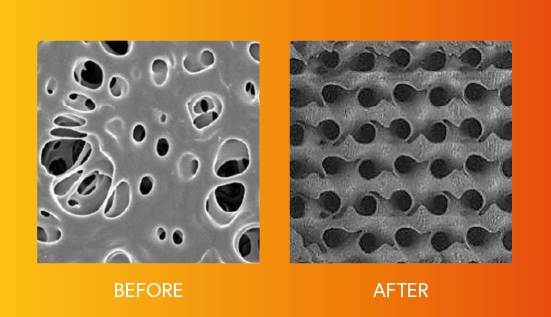
UK-based Evove works on fluid filtration and separation. It combines materials science and additive manufacturing to improve membranes and develop new architectures, targeting areas including lithium, hydrogen, desalination, food and beverages, and water treatment.
Two approaches should be distinguished: Enhance upgrades existing membranes through coatings, inserts and spacers, while Separonics targets membranes with controlled porosity and architecture. Claimed gains in flux, selectivity, energy use or lifetime remain supplier objectives or reported results to be assessed for each application.
4. JPB Système
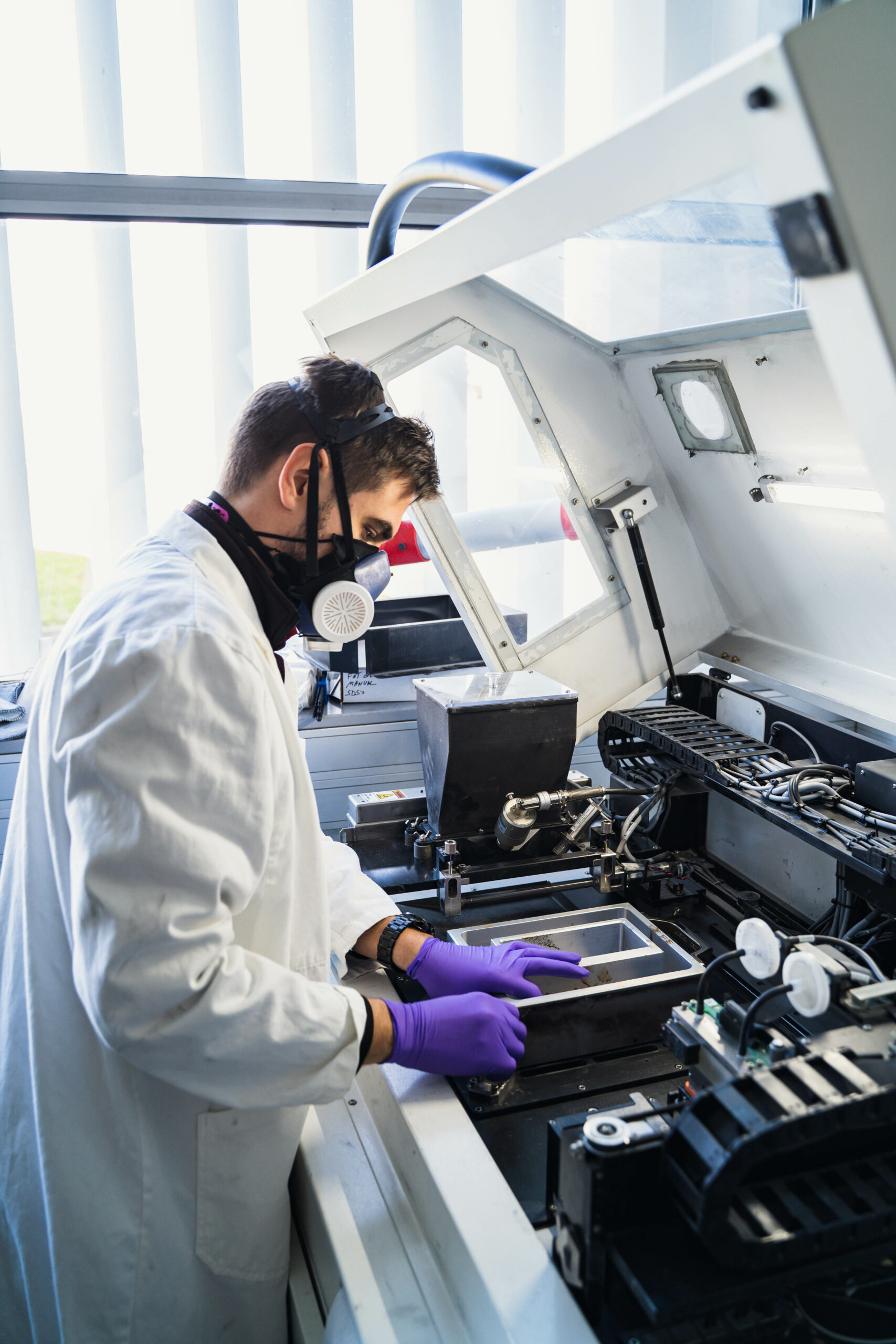
JPB Système, an established French aerospace component manufacturer also active in production monitoring through KeyProd, developed its metal binder-jetting activity in 2023. This was not the creation of a new company.
Its investment in French 3D-printer manufacturer Addimetal was intended to support an open hardware platform and processes suited to existing and future application needs.
5. SAEKI
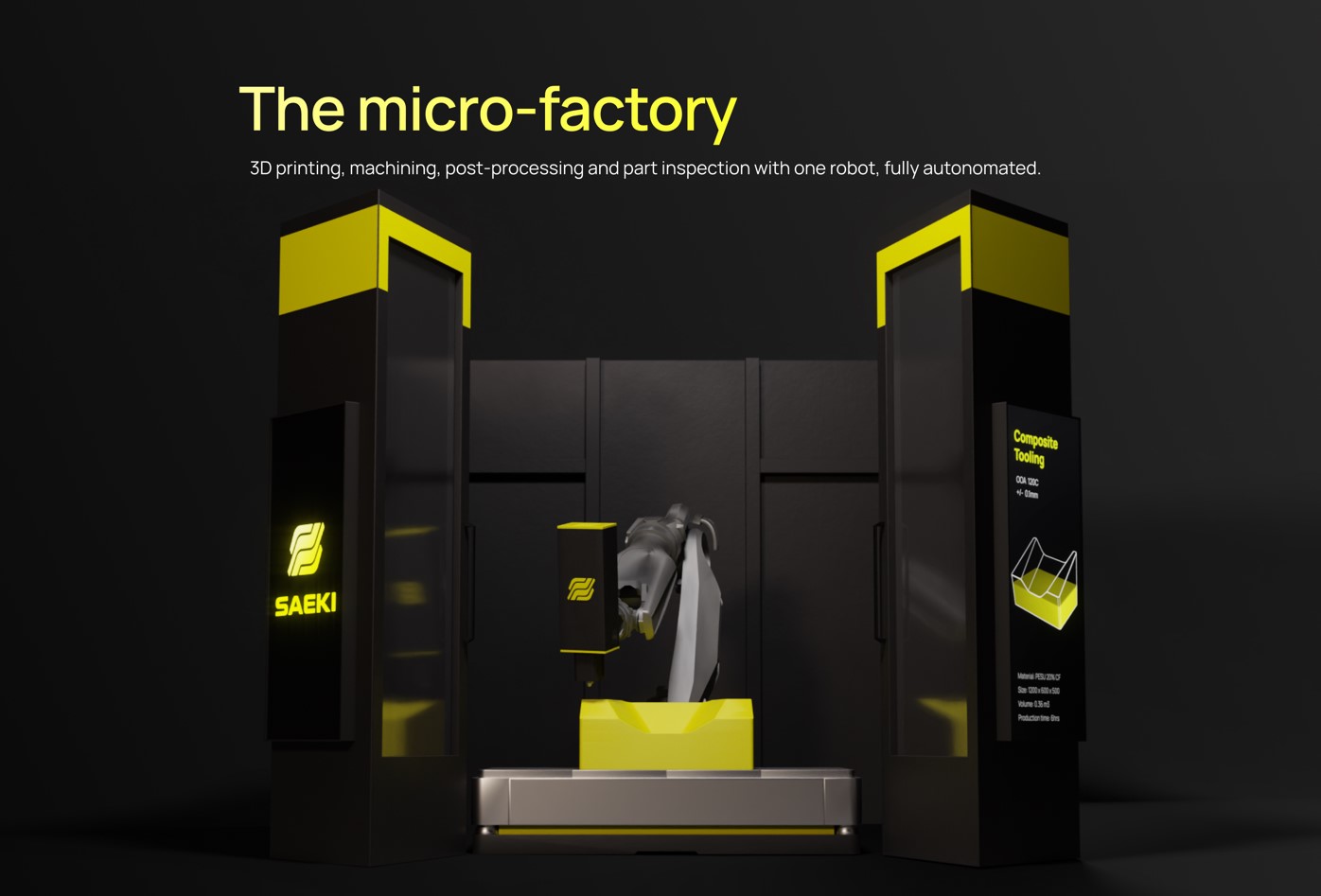
Swiss company SAEKI, co-founded by Andrea Perissinotto, Oliver Harley and Matthias Leschok, presented robotic microfactories for large components, including formwork and tooling, in 2023.
In an ETH Zurich interview published in November 2023, Leschok described combining 3D printing and milling, with further post-processing and inspection developments planned. The first production hub was being established at that time.
Its robotics-as-a-service model aimed at increasing automation. Fully autonomous factories were a long-term vision, rather than an outcome already demonstrated across the entire workflow.
6. 3D BioFibR

Collagen-fibre specialist 3D BioFibR announced two products for bioprinting and 3D cell culture in June 2023, manufactured using its dry-spinning process.
The manufacturer’s announcement distinguishes μCollaFibR, a bioink additive for laboratory tissue and organ models, from CollaFibR 3D scaffold, a cell-culture support. μCollaFibR is a material, not a printer.
The company reports improved mechanical durability for printed tissues and a matrix closer to the natural cellular environment. These are research tools; the announcements do not establish the availability of printed organs for transplantation.
7. flō optics
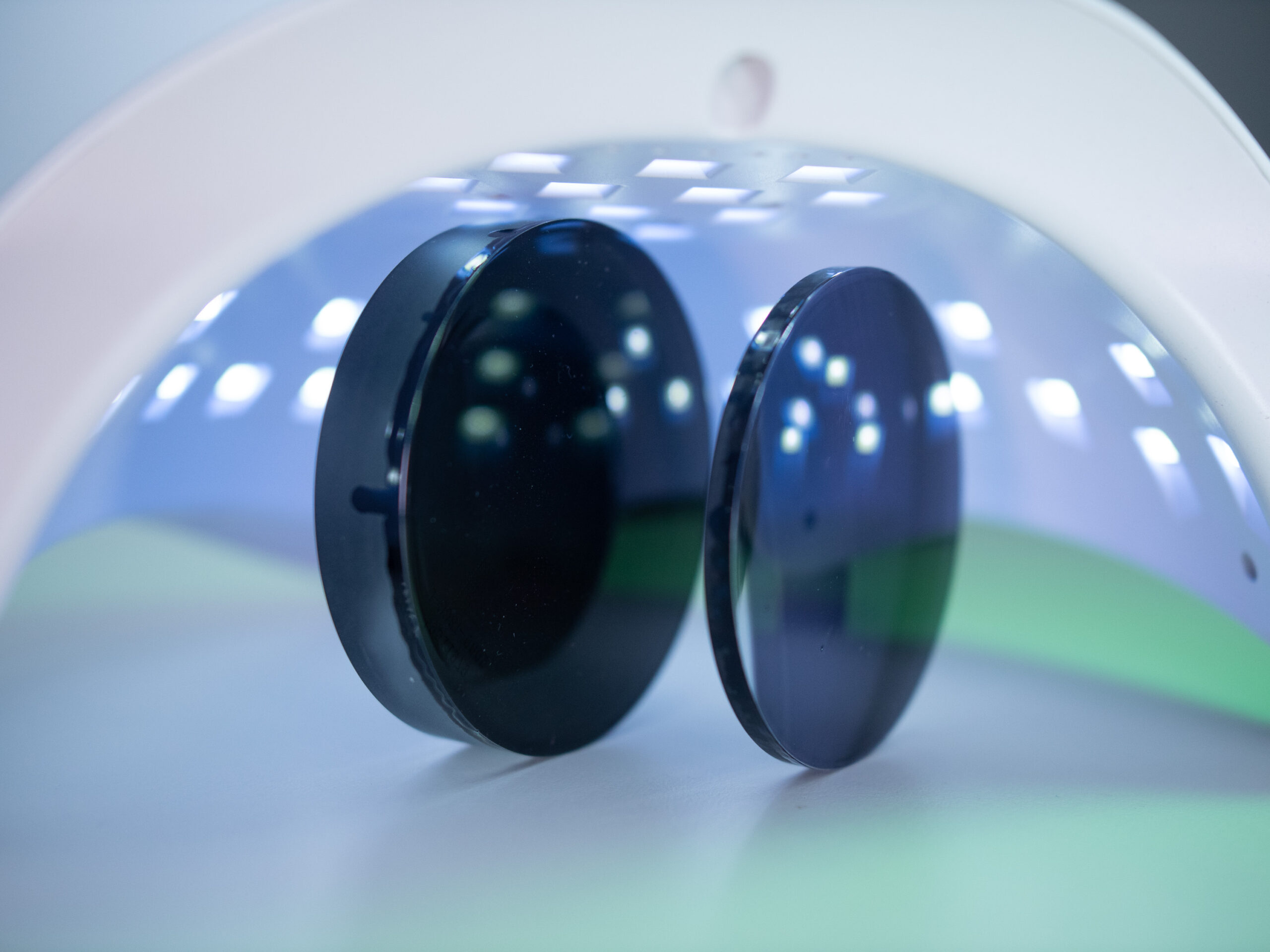
Israel-based flō optics was developing coating solutions for ophthalmic lenses. This expanded the applications of digital deposition in optics, rather than introducing the first use of 3D printing in the sector.
Its inkjet process deposits multiple materials and layers to tailor coatings to ophthalmic laboratories’ needs. The prospect of thousands of customized lenses per day described a company target, not a throughput independently validated in this overview.
8. Additive Appearance
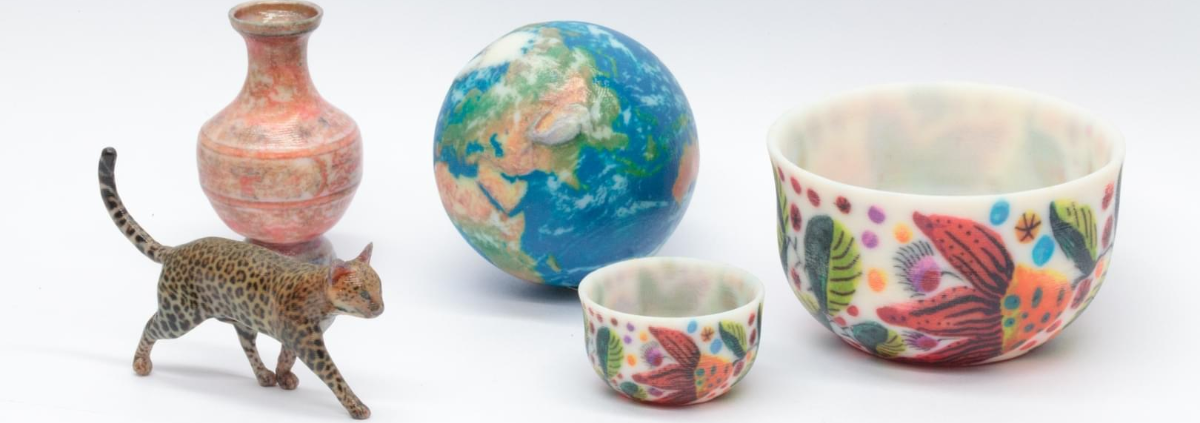
Emerging from research at Charles University in Prague, Additive Appearance was presented in October 2023 as a company developing software to simulate the appearance of 3D prints.
Its algorithms aim to predict colour and improve texture sharpness, notably with PolyJet printers. Virtual optimization, incorporating artificial-intelligence components, takes place before printing to bring prototypes closer to the intended appearance. Reported performance does not constitute an independent ranking of available solutions.
9. Pelagus 3D
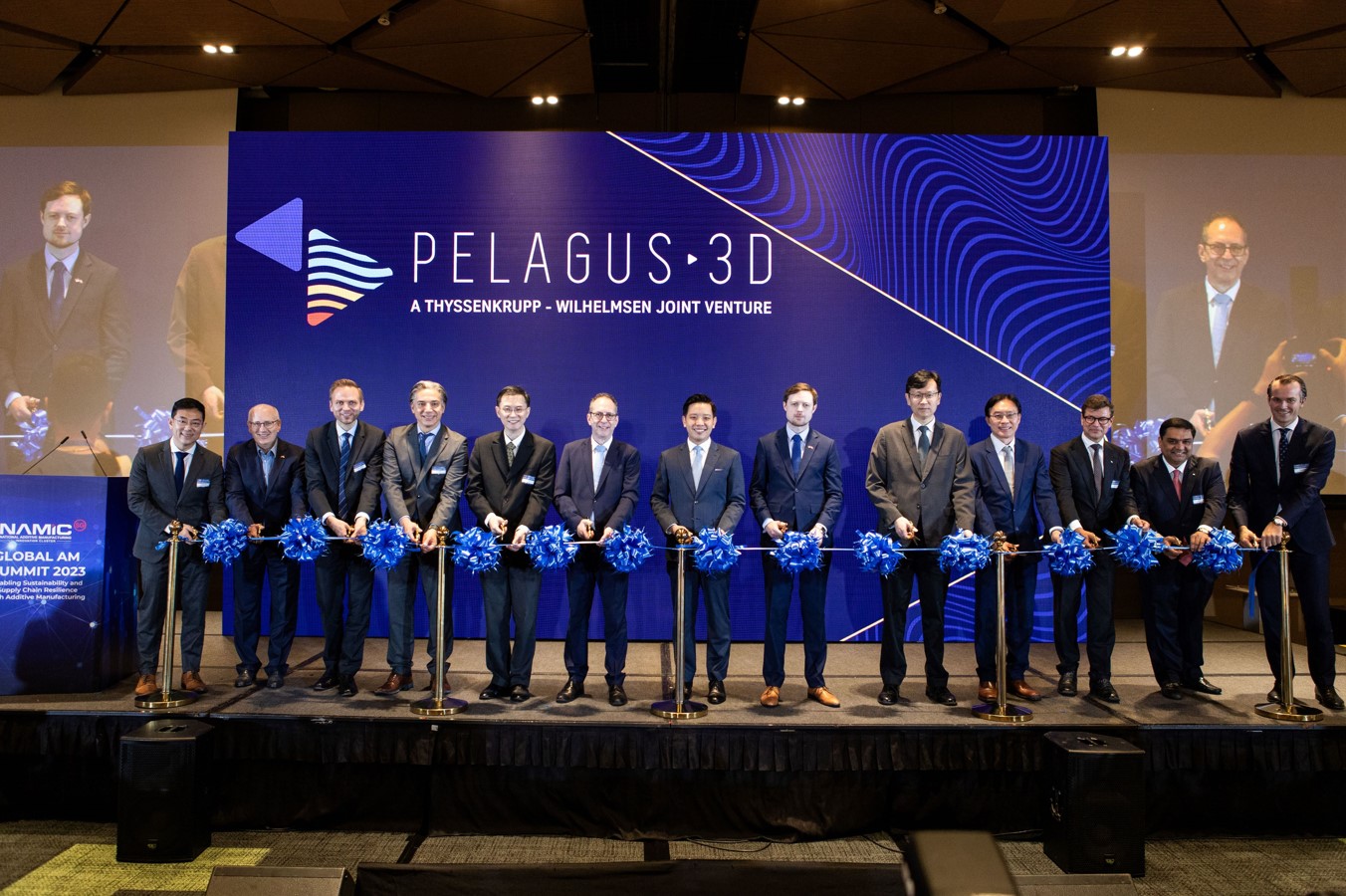
thyssenkrupp and Wilhelmsen joined forces in 2023 to establish Pelagus 3D, a Singapore-based joint venture dedicated to on-demand maritime spare parts.
The platform connects operators’ needs, equipment manufacturers and manufacturing capabilities. It aims to improve access to 3D-printed parts and reduce downtime; benefits depend on the component, its qualification and the supply chain.
10. ArcelorMittal Powders
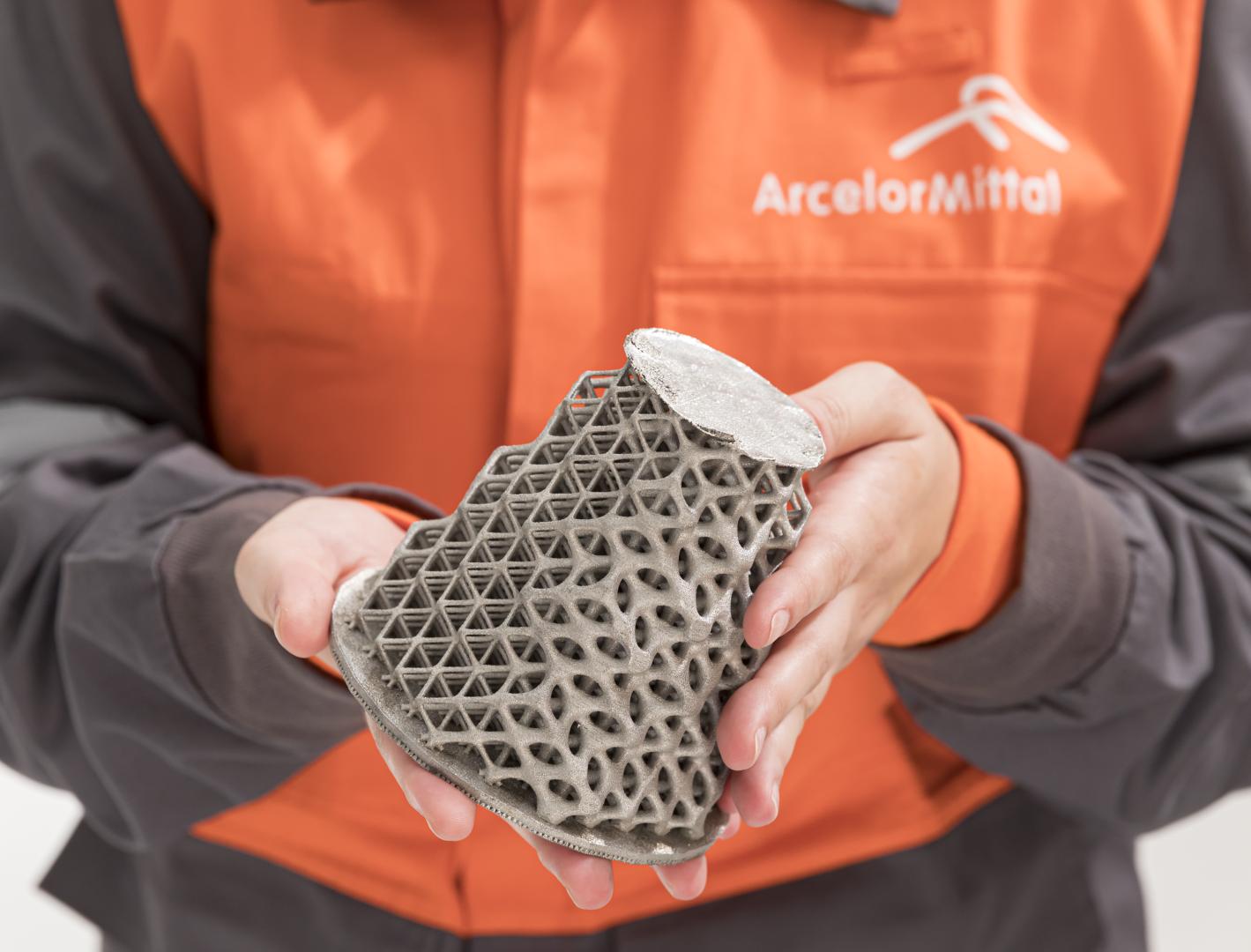
Steelmaker ArcelorMittal announced its entry into AM steel powders on 15 November 2023. It had already operated a pilot atomizer in Avilés since 2018.
The industrial atomizer under construction in Avilés, Spain, was scheduled to start production in January 2024. The company announced an initial capacity of 1,000 tonnes per year, in batches of 200 kg to 3 tonnes, for processes including laser powder-bed fusion, binder jetting and directed energy deposition. These figures describe the project announced in 2023.
11. Forivory
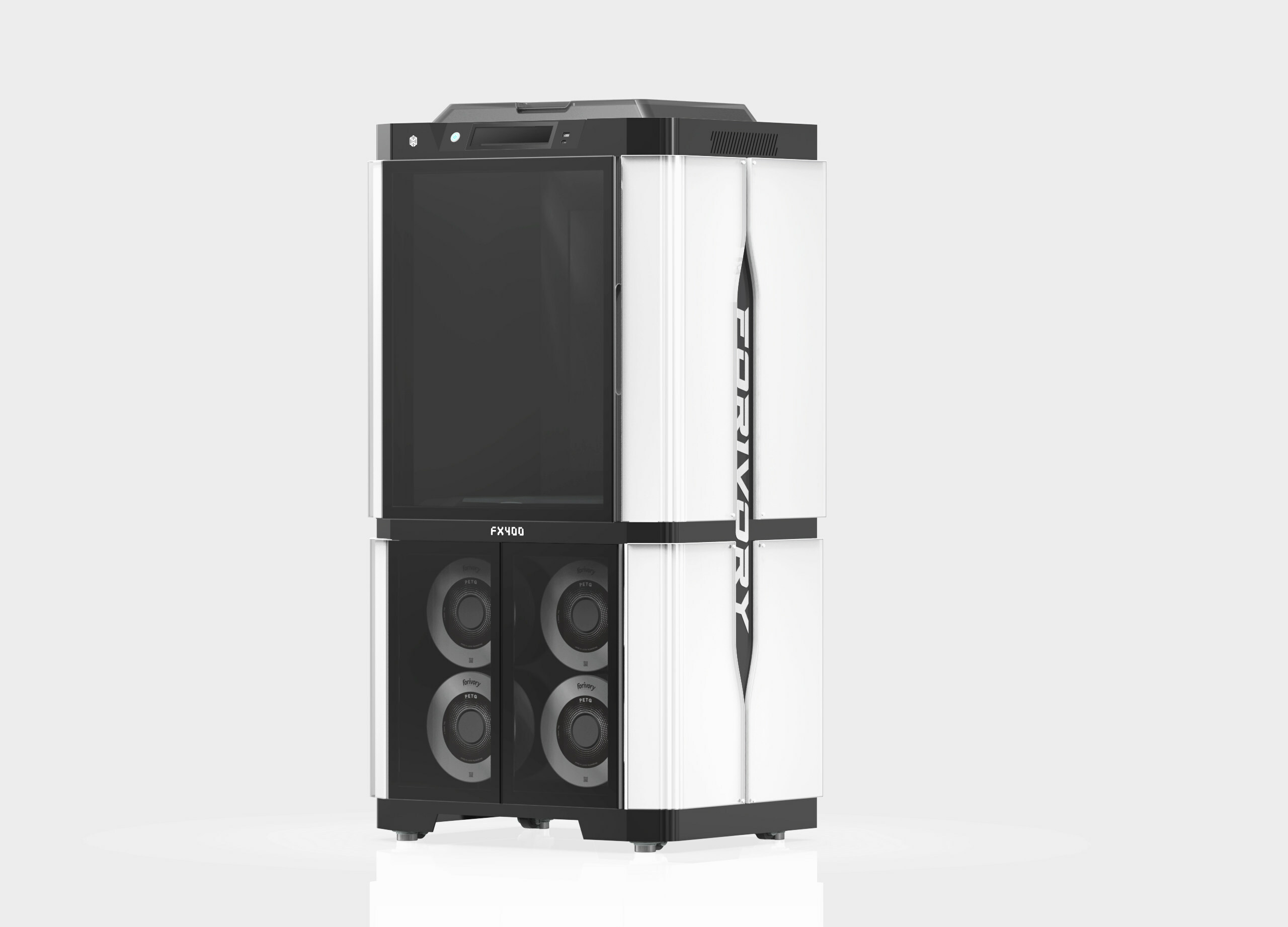
In late 2023, South Korean brand Forivory, launched by Jelect, presented its FT400 printer.
The development team described its X-axis gantry toolchanger, XTC, as a way to address speed constraints associated with large, heavy printheads. This does not establish superiority over every multi-nozzle printer. Worldwide availability was announced for April 2024, with Maker Station software for process monitoring.
12. Metafold
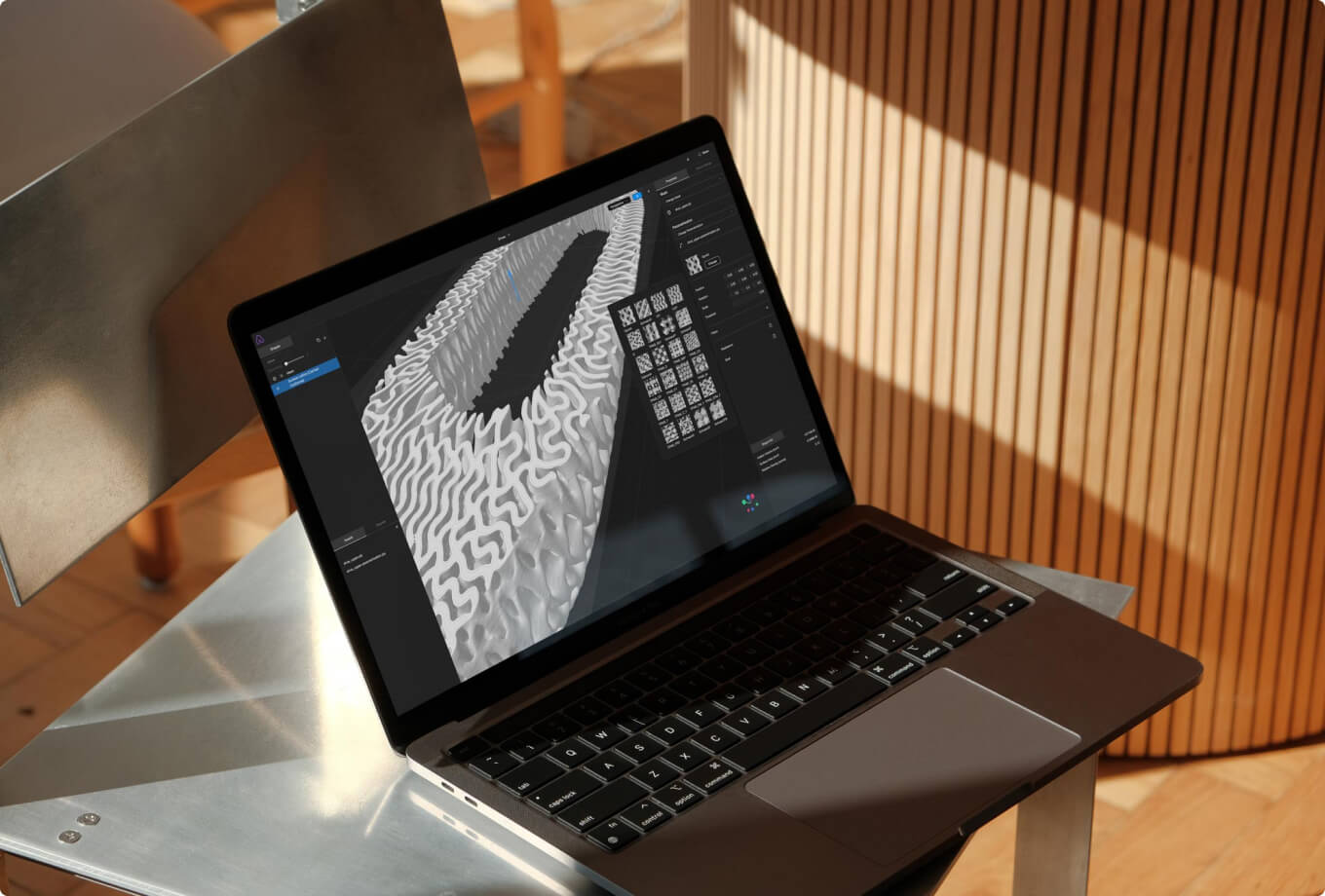
Metafold was developing a geometry-computation platform for complex additive-manufacturing designs. Its cloud offering combined a web application with an API for custom tools and integrations.
Geometry optimization can help reduce part weight or material use. Energy and environmental benefits still require application-specific assessment; they are not an automatic consequence of using the software.
Overview first published in the November/December 2023 edition of 3D ADEPT Mag.
THE 3D ADEPT WEEKLY NEWSLETTER
The industry moves fast. Stay ahead.
Every week, the latest additive manufacturing news, in-depth features and real-world applications, straight to your inbox. Plus, be the first to know when a new issue of 3D ADEPT Mag is out.
Free · One email a week · Unsubscribe anytime
Clicking loads our email provider’s sign-up form, including its analytics and Google’s anti-bot protection. You’re only subscribed if you complete the sign-up. Read our privacy policy.