

Additive free, multimaterial 3D printing is achieved for milk-based products without temperature control
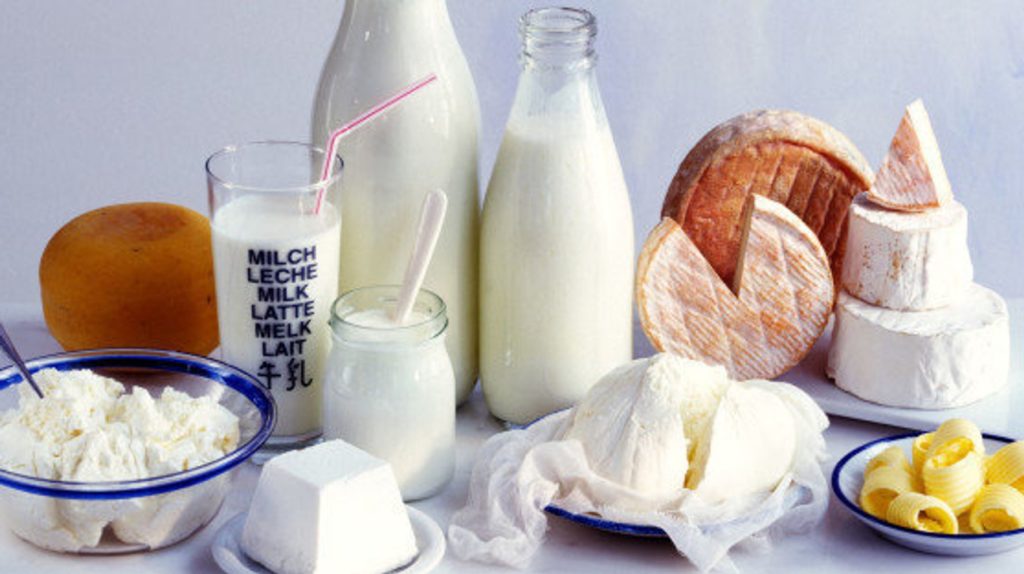
It may be too soon to purchase them in supermarkets but researchers from the Singapore University of Technology and Design (SUTD) just made 3D printed milk products a reality.
They unveiled a new technique to perform direct ink writing (DIW) 3D printing of milk-based products at room temperature, while maintaining its temperature sensitive nutrients.
3D printing of food has been achieved by different printing methods, including the widely used selective laser sintering (SLS) and hot-melt extrusion methods. However, these methods are not always compatible with temperature-sensitive nutrients found in certain types of food. For instance, milk is rich in both calcium and protein, but as these nutrients are temperature sensitive, milk is unsuitable for 3D printing using the aforementioned printing methods which require high temperature. While the cold-extrusion is a viable alternative, it often requires rheology modifiers or additives to stabilize printed structures. Optimizing these additives is a complex and judicious task.
To tackle these limitations, the research team from SUTD’s Soft Fluidics Lab changed the rheological properties of the printing ink and demonstrated DIW 3D printing of milk by cold-extrusion with a single milk product – powdered milk. The team found that the concentration of milk powder allowed for the simple formulation of 3D-printable milk inks using water to control the rheology. Extensive characterizations of the formulated milk ink were also conducted to analyse their rheological properties and ensure optimal printability.
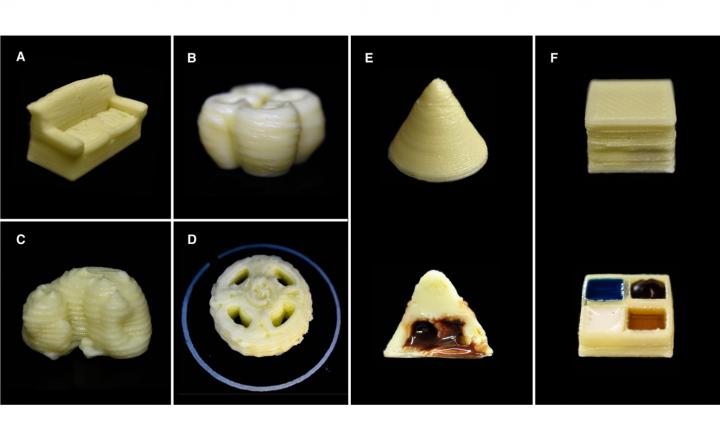
“This novel yet simple method can be used in formulating various nutritious foods including those served to patients in hospitals for their special dietary needs,” said the lead author and Ph.D. candidate from SUTD, Mr Lee Cheng Pau.
“Cold-extrusion does not compromise heat-sensitive nutrients and yet offers vast potential in 3D printing of aesthetically pleasing, nutritionally controlled foods customized for individual requirements,” added Assistant Professor Michinao Hashimoto, the principal investigator of the study.
Rahul Karyappa, a research fellow at SUTD, also participated in this project.
Make sure to follow us on our social networks and subscribe to our weekly newsletter : Facebook, Twitter, LinkedIn & Instagram ! If you want to be featured in the next issue of our digital magazine or if you hear a story that needs to be heard, make sure to send it to contact@3dadept.com
THE 3D ADEPT WEEKLY NEWSLETTER
The industry moves fast. Stay ahead.
Every week, the latest additive manufacturing news, in-depth features and real-world applications, straight to your inbox. Plus, be the first to know when a new issue of 3D ADEPT Mag is out.
Free · One email a week · Unsubscribe anytime
Clicking loads our email provider’s sign-up form, including its analytics and Google’s anti-bot protection. You’re only subscribed if you complete the sign-up. Read our privacy policy.